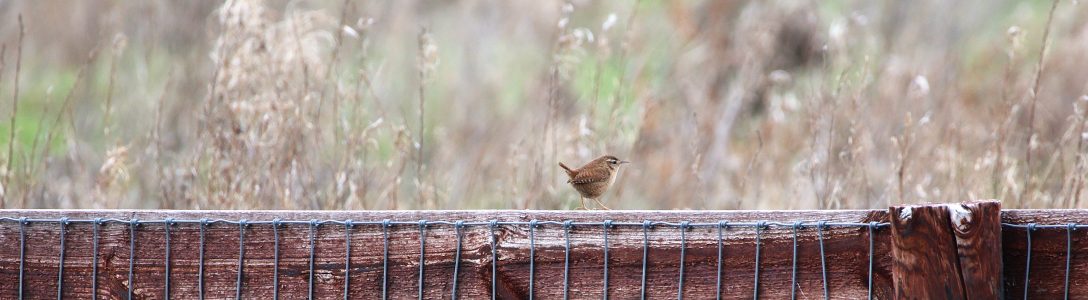
While spending time near the sea, you may have seen an odd black shape perched on a rock. It stands proud; head tilted up towards the sun, wings outstretched, feet firmly planted on stone. Do not be alarmed; this is not a witch in disguise, nor is it a descendant of Dracula on the hunt for blood. It is the cormorant (Phalacrocorax carbo), a bird that actually has two names in Irish: Broigheall, and cailleach dhubh.
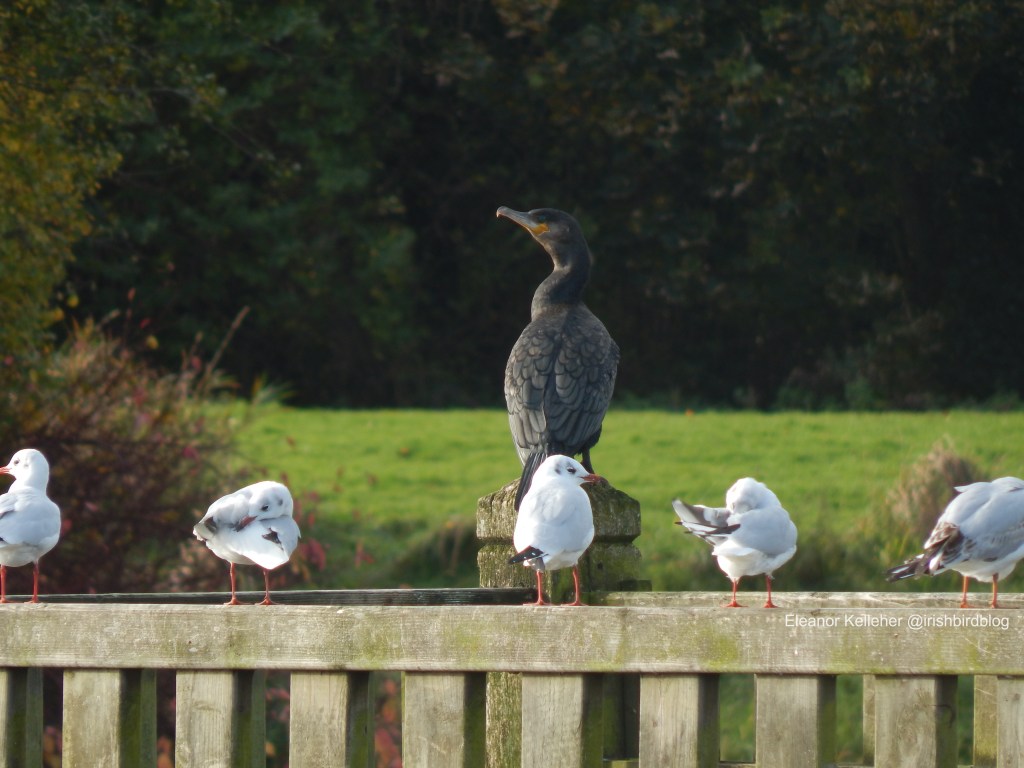
These gothic beauties are fairly widespread across Ireland, commonly found near freshwater rivers or lakes, and dotted around the coastline. They feed exclusively on fish, and so are excellent divers. In fact, studies suggest that cormorants’ hearing has evolved for underwater use, at a cost to their hearing above the surface. After fishing, they come ashore and stand in that iconic, intimidating pose. This behaviour is not found in other seabirds, as most of those birds have waterproof feathers. Cormorants’ feathers are water resistant, as this allows them to dive more efficiently. So, when they get a bit waterlogged, they need to spend time drying off. This tendency to bask in the sun, coupled with their lizard-like appearance, reinforces their reptilian likeness.

Cormorants seem to be more favourably looked upon in the East than in the West. In Asia these birds are seen as symbols of good luck. In countries such as China and Japan, fishermen practice “cormorant fishing”, which involves tying a line around the bird’s throat to prevent its ability to swallow, and casting it off from a boat. The cormorant catches a fish but cannot swallow it, so the fisherman retrieves the catch, and the process begins again.
It is a different story in the West however, where they are deemed greedy pests, intrusive predators, and ill omens. These opinions have existed for hundreds of years; Shakespeare used the cormorant as a symbol of gluttony and indulgence. The unfavorable opinion is mostly perpetrated by fishermen who are disgruntled about the fact that they cannot catch fish as well as a natural predator can, despite the fact that this animal needs to catch and eat fish in order to survive. Historically, there was a bounty placed on the heads of cormorants in Ireland, which led to a large number of birds being killed each year. Though this was discontinued as a result of the Wildlife Act of 1976, the sentiment towards cormorants has remained sour, especially among fishermen, who claim the bird is an “over-conserved predator that needs management“. Shooting cormorants is illegal, and requires a difficult-to-obtain culling license, but this unfortunately does not stop the occasional illegal killing out at sea.


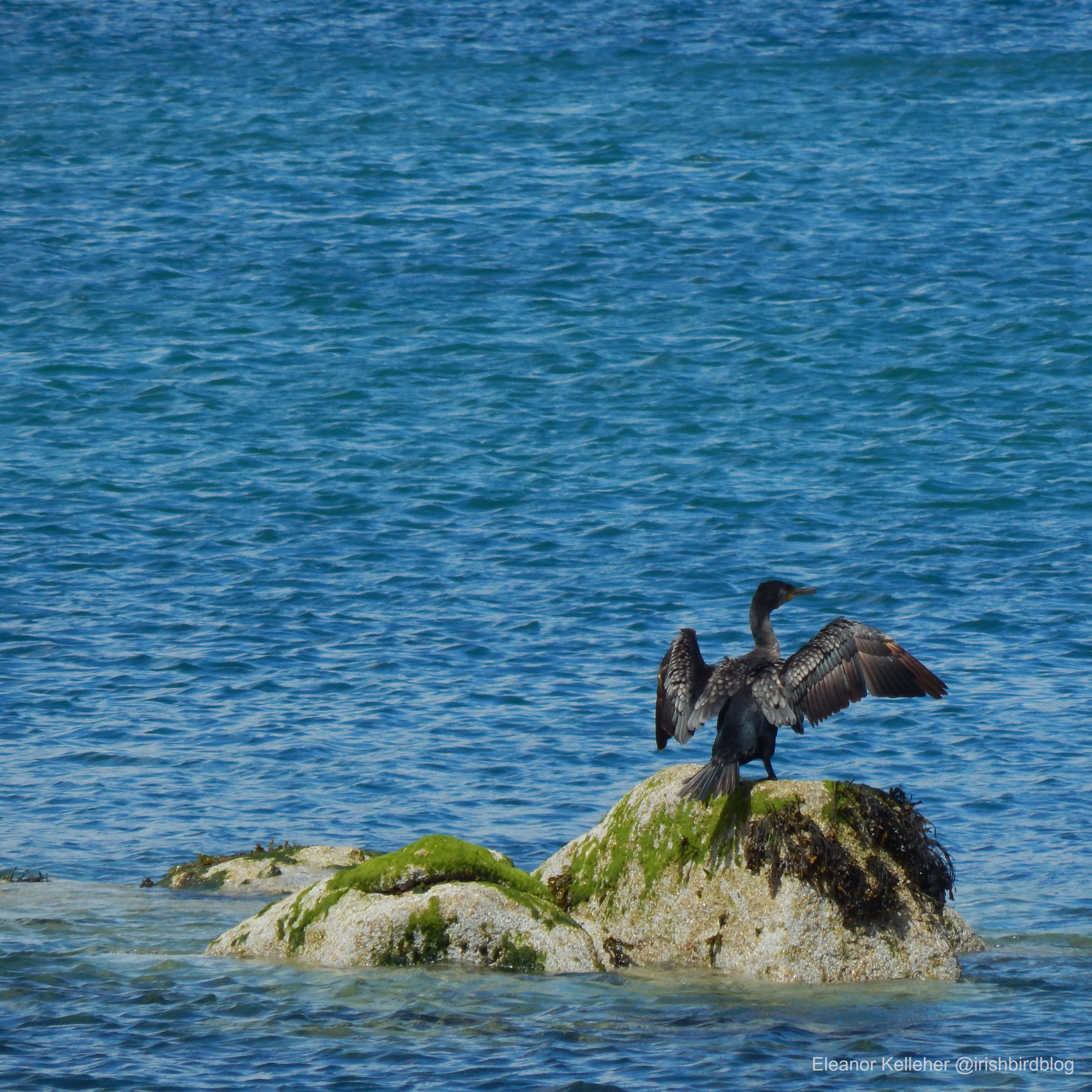
I personally feel like cormorants are mystical little creatures. They’ve certainly garnered some interesting names throughout the years; their Latin name roughly translates to “bald raven of charcoal”, their Irish name cailleach dhubh means “black hag”, and fishermen have given them the collective name “black death”. There is some sort of force of attraction to this bird, that stands so proudly amongst the waves in its iconic, imposing stance. Looking at these creatures, it is not at all surprising that these birds evolved from dinosaurs. Whenever next you are near the water, I hope you manage to spot this impressive shadow on the horizon.
 The Irish Bird Blog