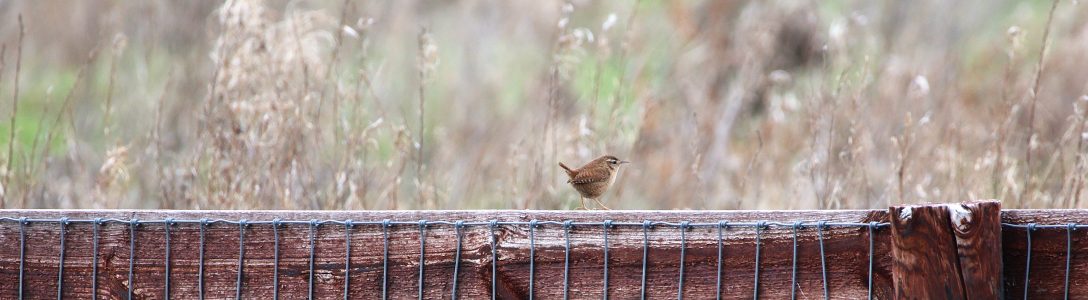
September has come around again; a month that signals the definitive end to summer and a return to the grind (or if you’re done with school, like me, it just means there is way more traffic on the road). The trees are starting to change colour, pumpkin spice lattes are back, and everyone is making the transition to earth-toned wardrobes. It’s a very brown month, both in aesthetics and moods, so we figured we’d talk about the quintessential brown bird in this article, though you probably haven’t heard of them. This month’s bird is the dunnock (Prunella modularis), known in Irish as Donnóg.

If you looked at the dunnock’s Irish name and managed to break it down into the words brown (donn) and young (óg), you get some brownie (ha ha) points! The name dunnock could claim its roots in the Irish name, or it could come from old English dun (brown) and ock (little).
By now I’m guessing you’ve gauged this bird’s whole vibe – they are small and brown. This makes them a prime example of what we in the birding biz call ‘little brown jobs’ or LBJs. What are LBJs you ask? Well, when you are out birdwatching you will often spot flashes of small-ish songbirds that are mostly-brown coloured with no real discernible markings. You rarely get the luxury of having a bird stay still long enough for you to point your camera or binoculars at them to identify them, and so they’re dismissed as an LBJ. I have no idea where the name originated, but I wouldn’t be surprised if the dunnock might have contributed to its inception.
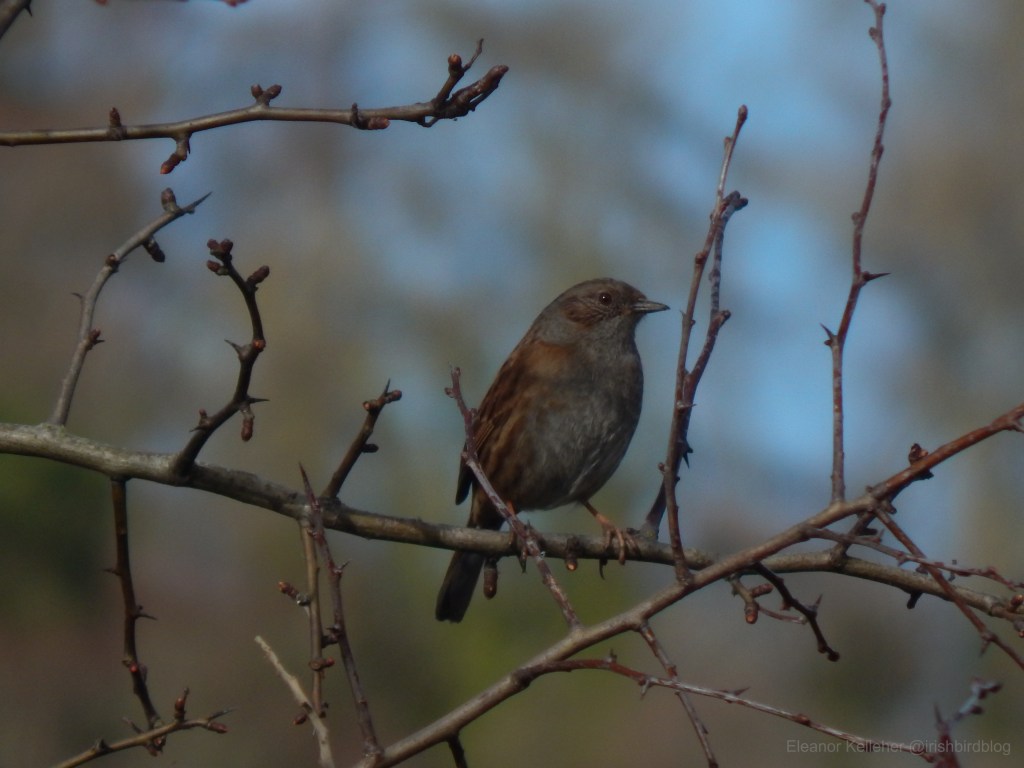

Would you believe that these birds are among the top 20 most common Irish garden birds? They’re also pretty conservative with their range, with most of them never travelling farther than a kilometre away from where they were born. So how come dunnocks aren’t as recognised as robins?
The answer is: they’re shy. They like to hide in hedgerows and will eke out an entire life among the trees and branches, free from the gaze of our prying eyes. They’re especially partial to brambles and other thorny bushes – they really like their privacy. So much so, that they’ve earned a number of monikers relating to hedges: hedge accentor, hedge sparrow, and hedge warbler.
Living in a hedge may seem pretty boring to you or I, but hedgerows are actually some of the most important, diverse ecosystems out there. Especially here in Ireland, where we are sadly devoid of a lot of native deciduous woodland, hedgerows provide some desperately needed shelter and food sources. Hedgerows you see out in the countryside have been dubbed ‘super-highways’ due to their vital role in facilitating safe travel along urban or agricultural environments for numerous different species. So for the dunnock living out its whole life in the hedges, it’s a non-stop thoroughfare with all sorts of different characters.
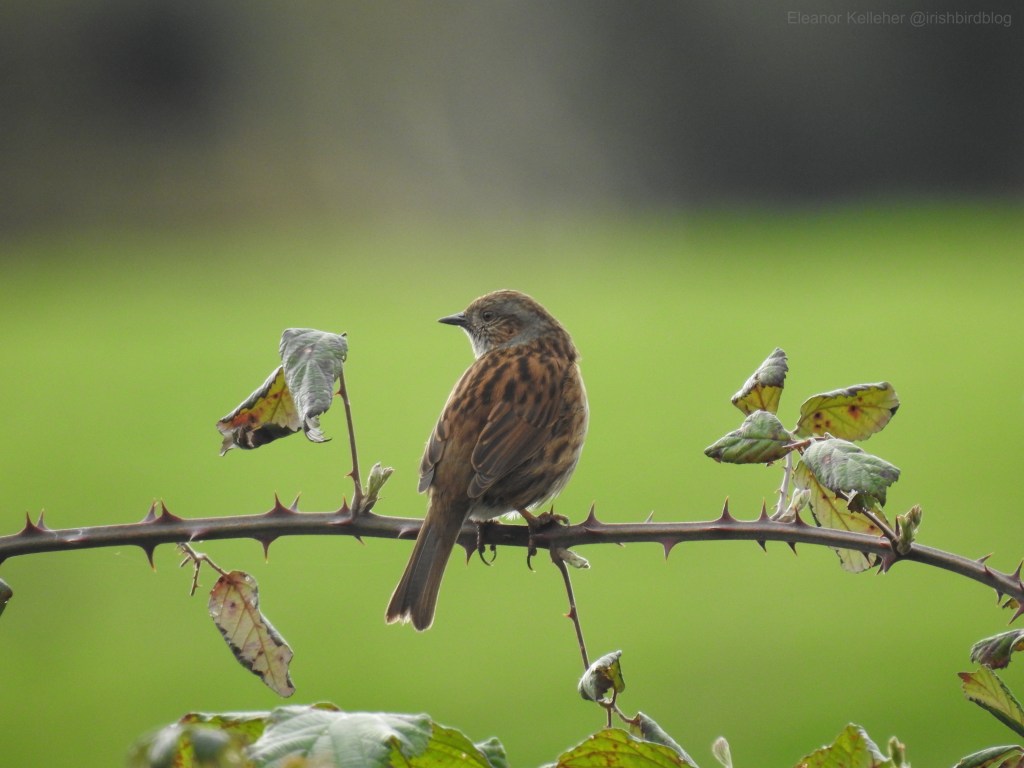
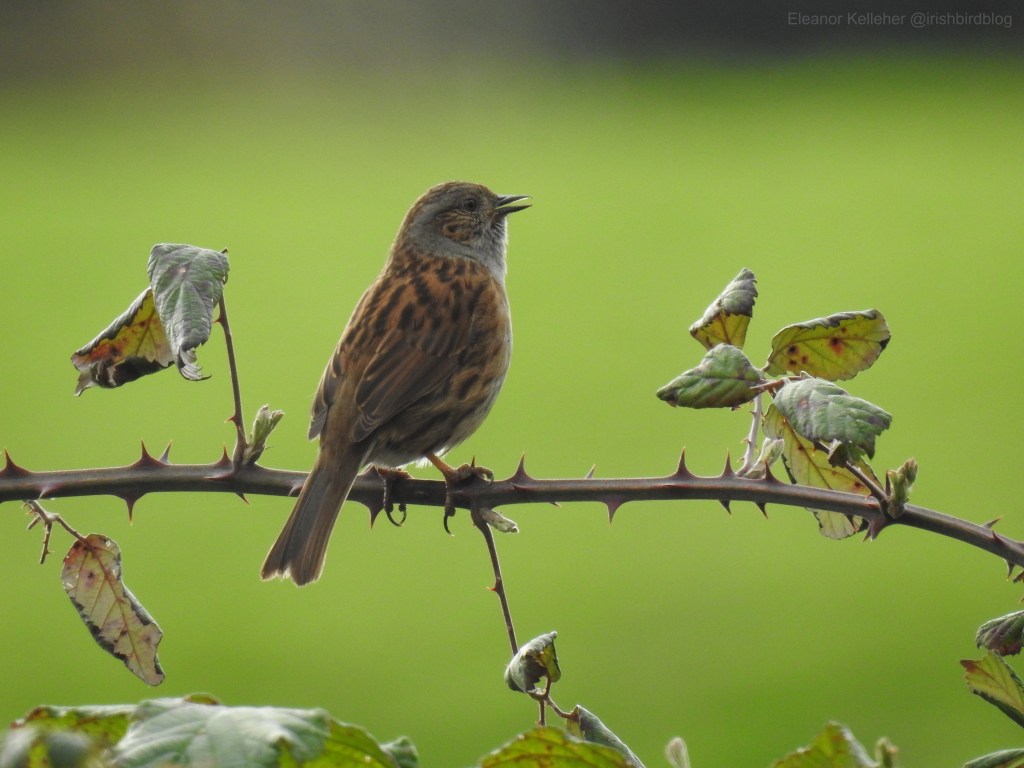
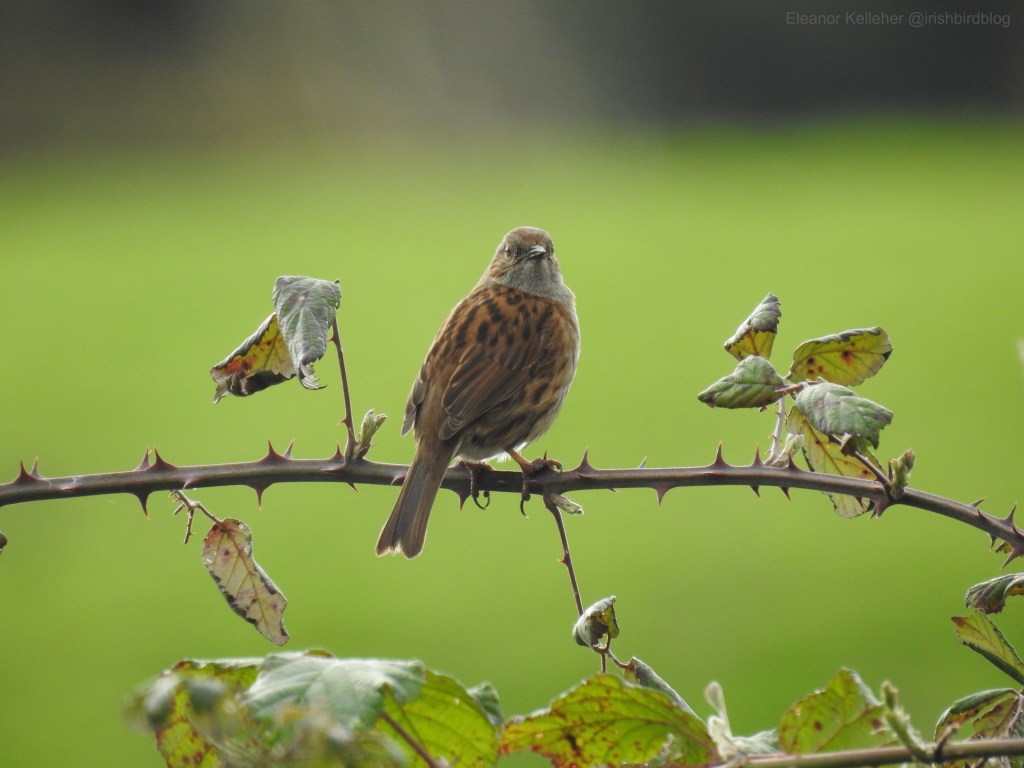
Dunnocks have a personality that perfectly suits their basic look and prefer-to-stay-home behaviour. They’re pretty chill when it comes to breeding; depending on the overlap between the territories of males and females, the nest pairings can consist of: one female and multiple males, a monogamous male and female couple, or multiple females and one male. This polyamorous activity often means that multiple males and females are feeding the chicks in a single nest. Have you ever heard the phrase “It takes a village to raise a child”? Because the dunnocks sure have.
Unfortunately, this easygoing nature can also make them susceptible to being taken advantage of. The Irish cuckoo, infamous deadbeat parent, prefers to hijack dunnock nests over the nests of other birds. But you might hear all about that in a later article.

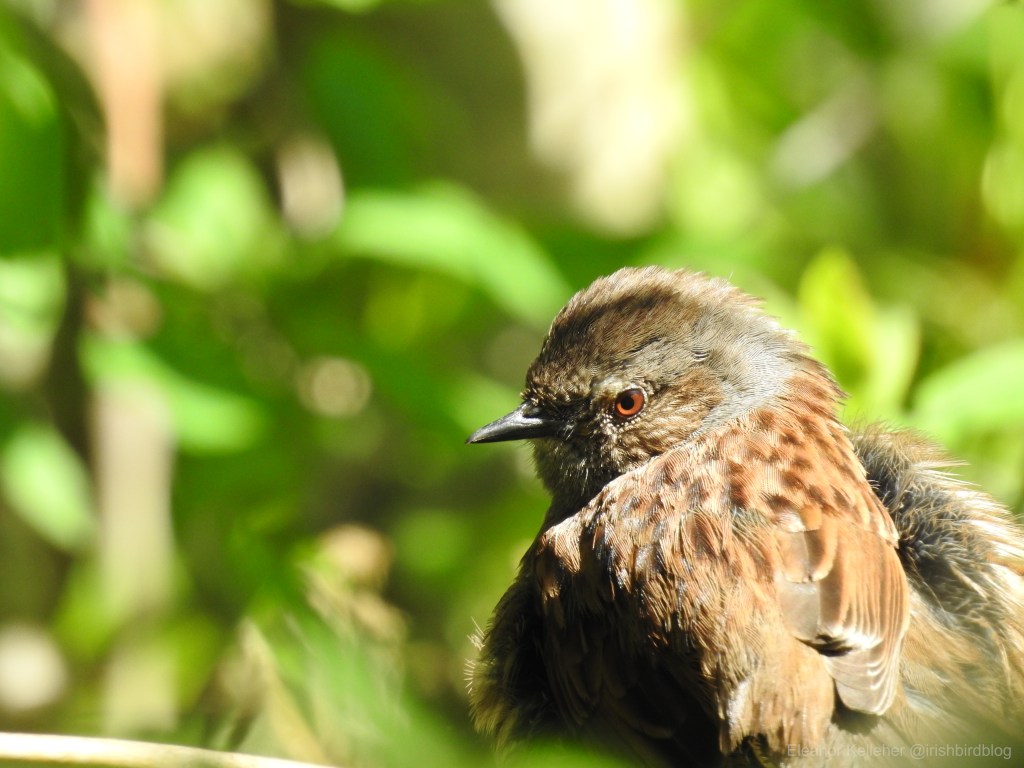
Dunnocks are currently listed as having green conservation status in Ireland! Their strategy of minding their own business in their hedgerows appears to be working in their favour. However as of this month, the owners of hedgerows will once again be allowed to trim them back. Hedge cutting is banned between March 1st and August 31st each year to avoid disturbing the wild birds who nest in them, as laid out by the Wildlife Act of 1976. But trimming back the hedges will still cause distress to the animals who use the hedges all year round for shelter and food. If you’ve got a hedge, consider letting it grow by only side-trimming it, not topping it, and trimming later in autumn when its lost its fruit and foliage. Lets keep those hedges bushy for our little brown jobs to hide inside!
 The Irish Bird Blog