O melancholy, thy name is November. Is anyone else feeling the seasonal mood drop between Halloween and Christmas? I know I am; every fibre of my being wants to hole up in a nest of blankets and sleep for 32 hours. Fortunately, I know the remedy for this feeling is getting up early to take a walk in the crisp autumn air and seeing the morning sun dazzling on the Irish sea. But I also have an ulterior motive: I want to see some new birds, limited-edition birds, birds that have travelled tremendous distances to arrive at our shores; and now I’m here to share one of those birds with you, in the hopes that their athletic triumphs will inspire you to get out and about as well. This month’s bird is the Black-tailed Godwit (Limosa limosa), known in Irish as Guilbneach earrdhubh.
For the longest time, black-tailed godwits were considered mysterious travellers from a distant land. Every year as the weather took a turn they would start to appear, popping up from September onwards. A large crowd would remain all winter long, then melt away with the frost in the spring. It was only when we began ringing these birds (giving them cute coloured anklets to track them) that we discovered that they had flown all the way from Iceland!
Godwits overwinter here in Ireland, getting some much needed chill time in before flying back home for breeding season. Like most waders, they are monogamous birds, but in a first for the Bird Blog, they are also birds who can get divorced! They spend winter apart from their partner, mingling with other shorebirds, and don’t coordinate their flights home, since they’re, y’know, birds. So if one godwit makes it back long before the other, the latter may find that their beloved partner has shacked up with someone new for the breeding season. Heartbreaking, you might think, but honestly I like to think they’re amicable splits. When you’re raising chicks in a place that’s prone to volcanic eruptions and lava flows, you have to be a bit selfish with your time.
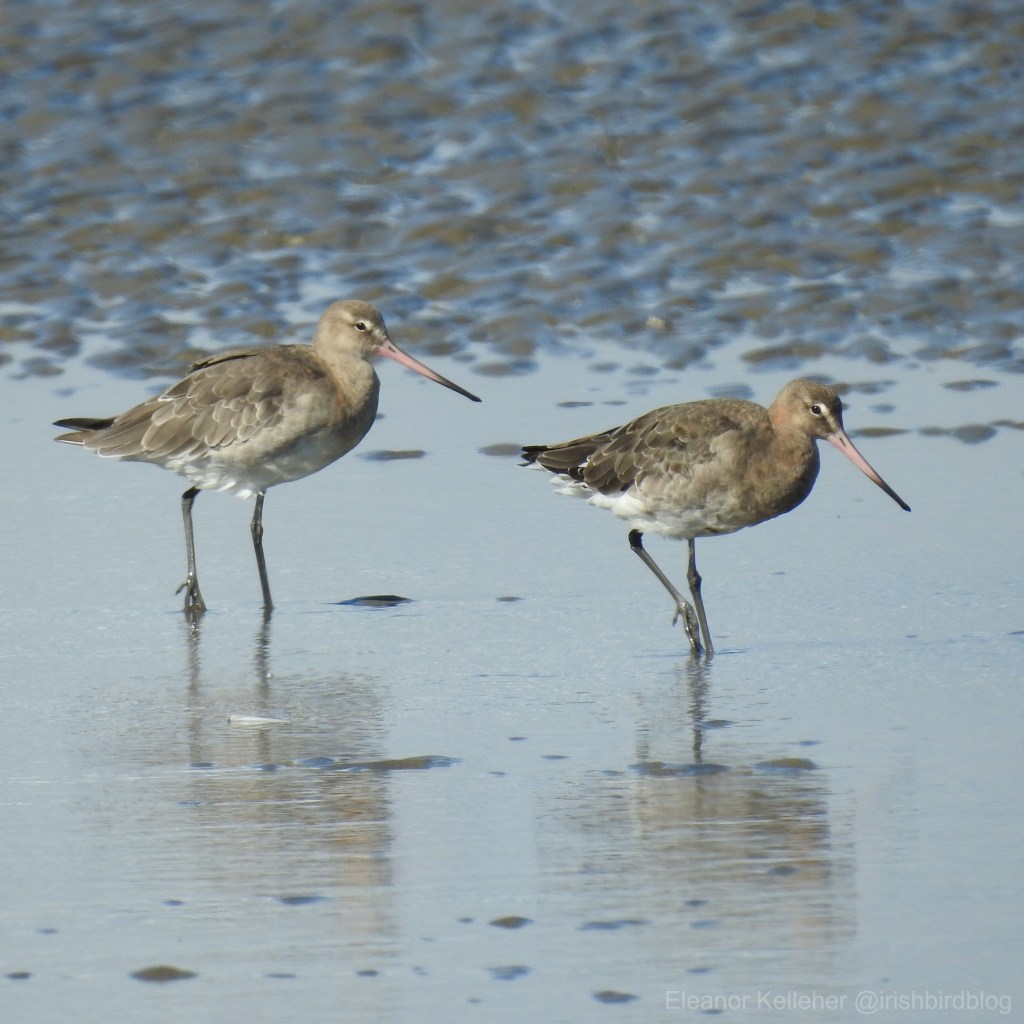
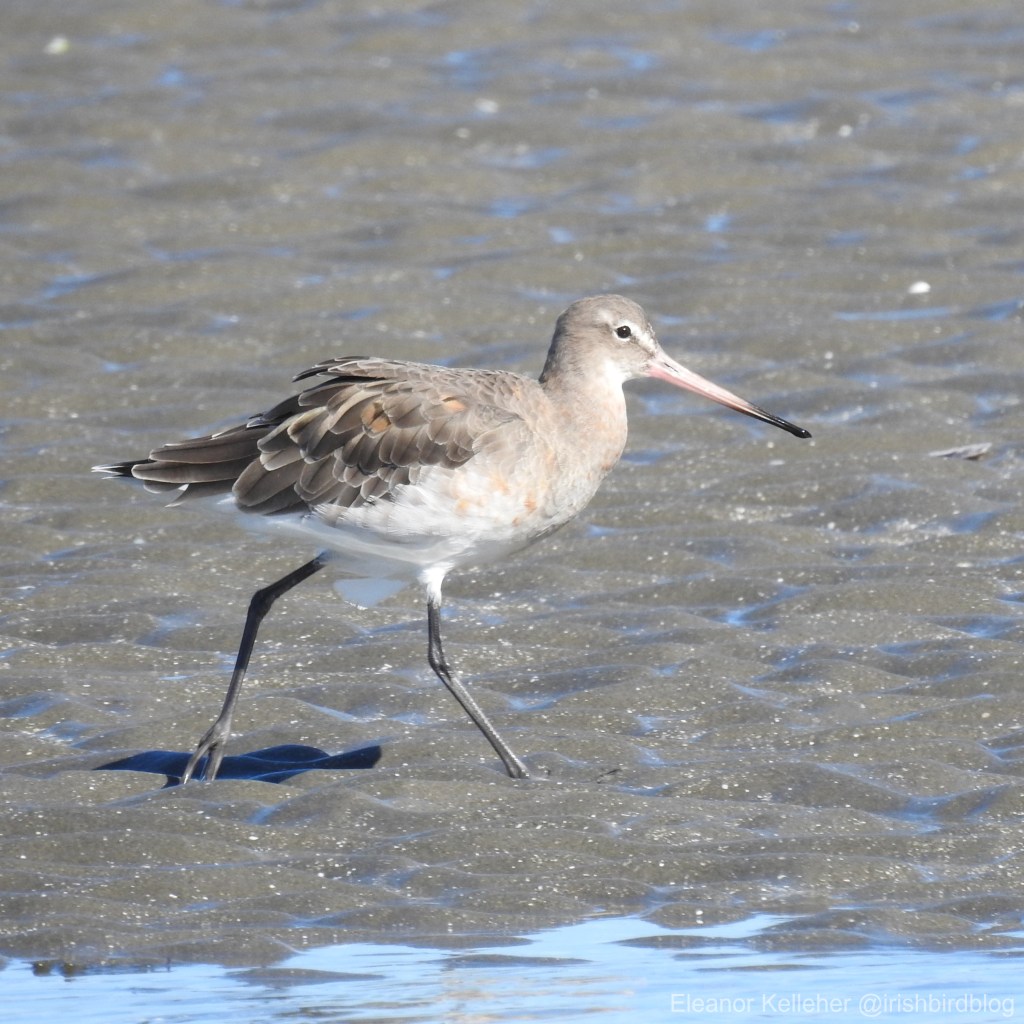
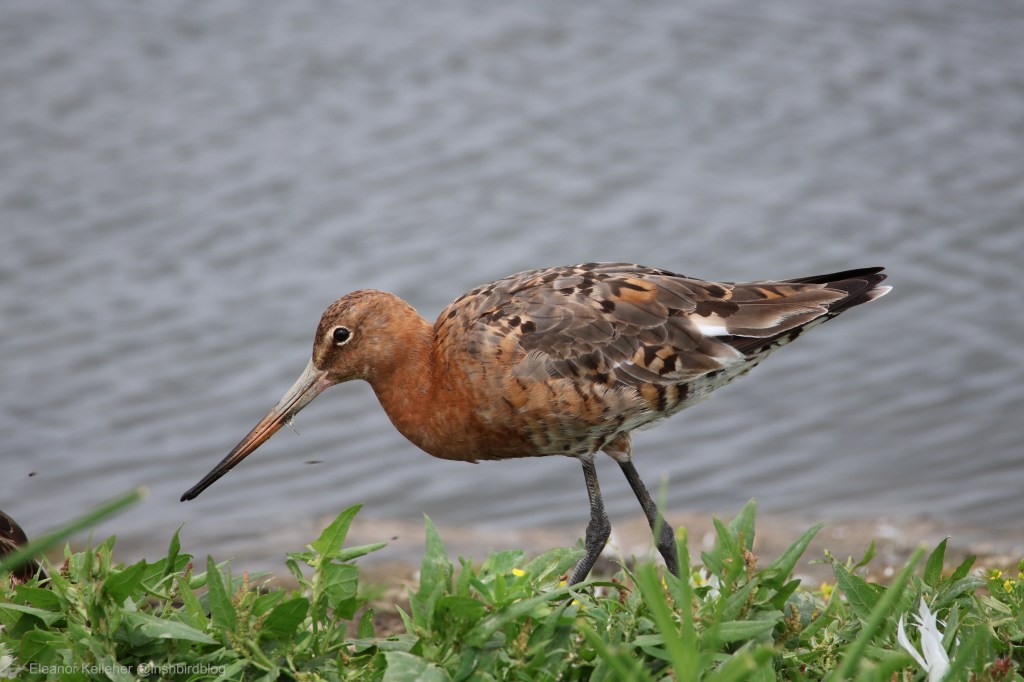
Since godwits don’t breed in Ireland we don’t often get to see their funtime feathers; which are varying shades of orange and red, like flickering candles, ironically perfect for autumn. If you’re lucky you may spot one still sporting that style at the end of summer, an outfit outcast whose overdressed for the occasion. Usually though, they’ll have moody grey plumage to match the overcast skies and frigid seas of the coastal regions they inhabit, idling on the sand in a cloud of seafowl.
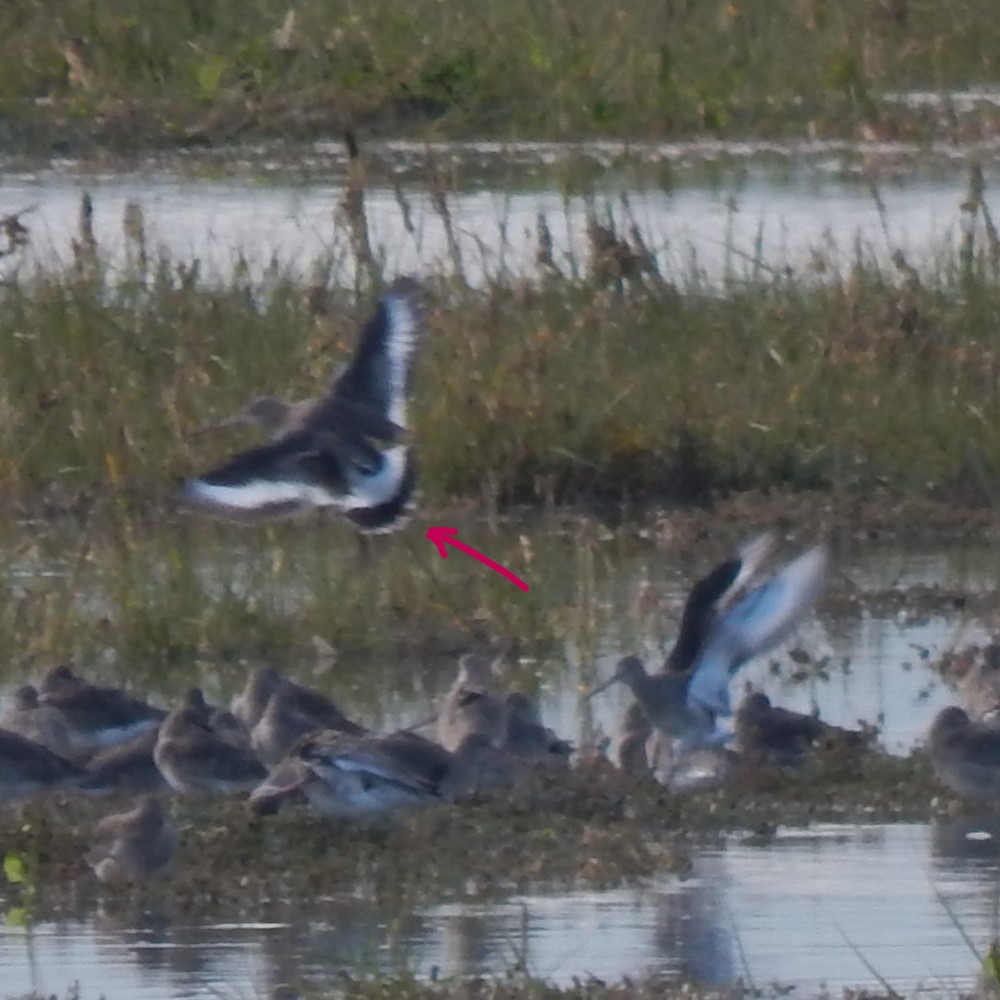
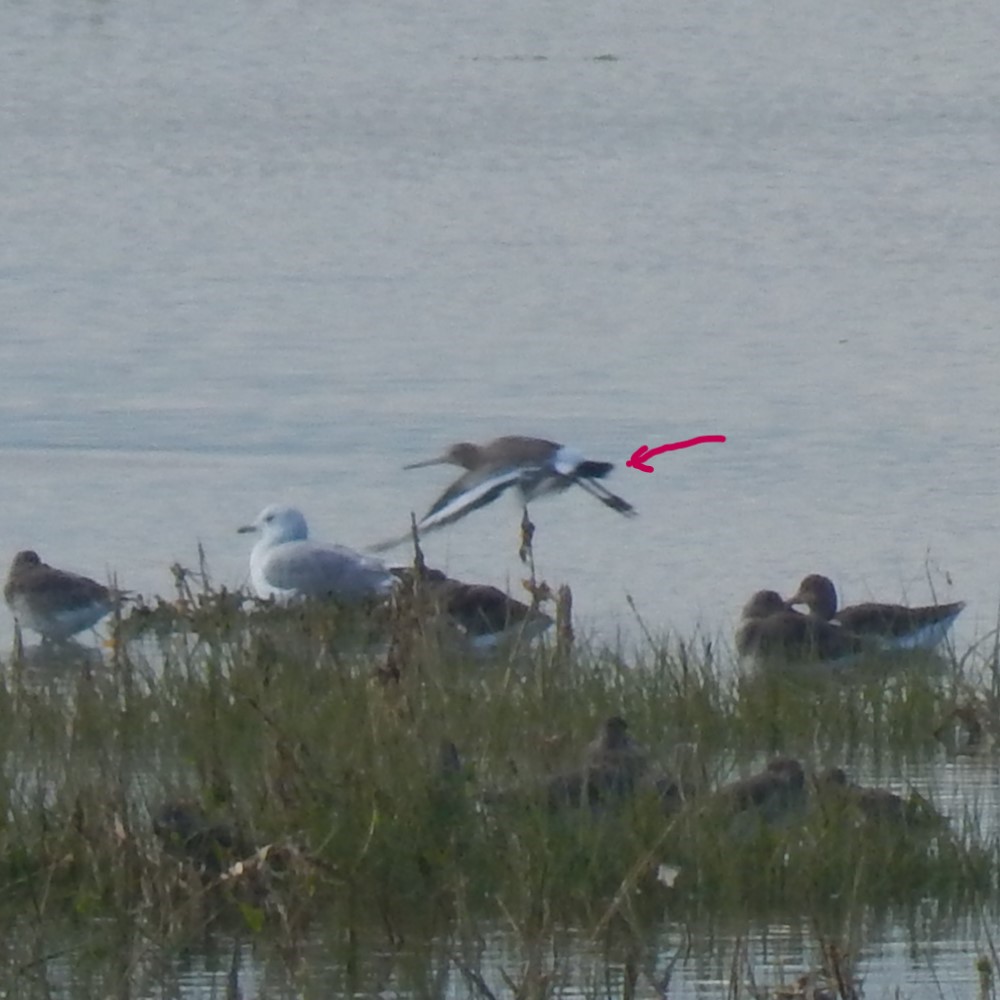
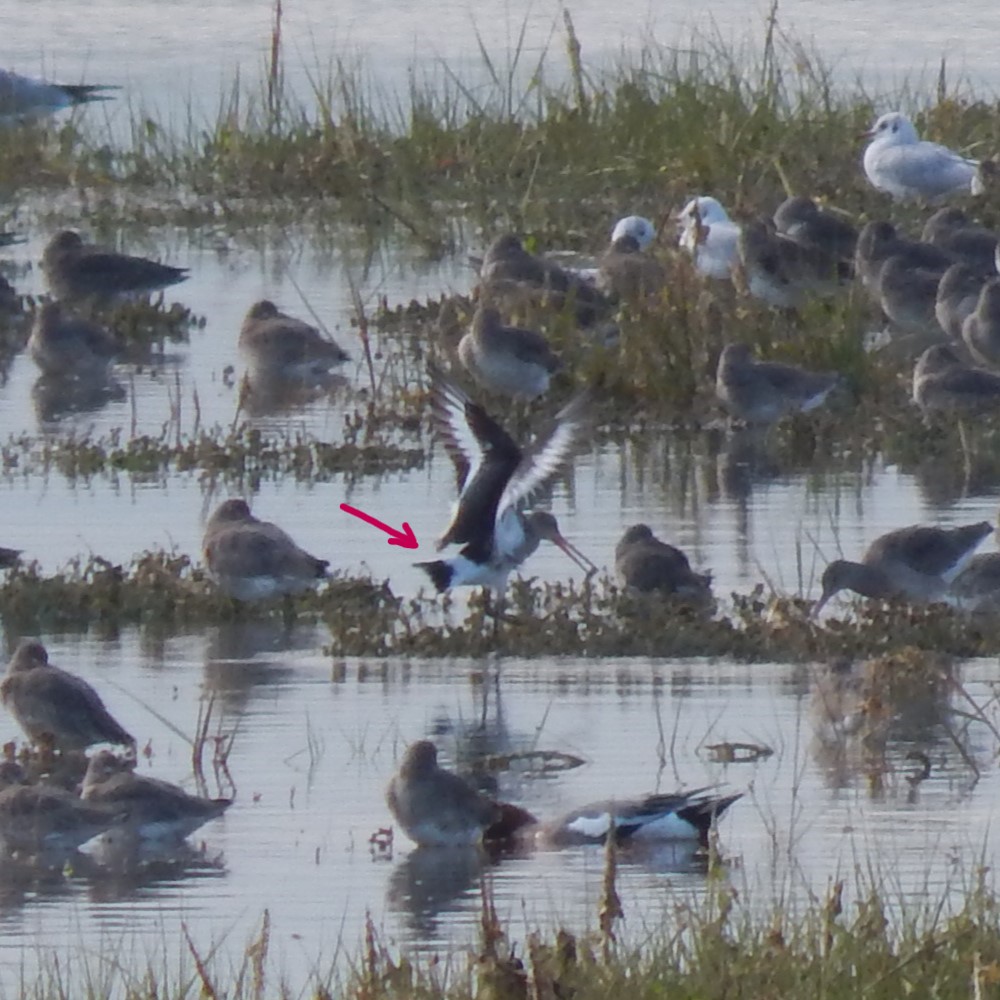
Their drab garb makes it near impossible to pick them out of a crowd. Not only do they look similar to a lot of other waders, but they happen to have cousins (bar-tailed godwits) that look nearly identical to them, especially when they’re wearing their winter coats. The best way to tell them apart is that the bar-tailed godwits have some brown speckles across their shoulders, whereas the black-tails are more of an even slate. When they’re flying or have their wings outstretched it’s much easier to see the distinction, since you can actually see the black tail feathers for which they are named. But when they’re standing on greyish-sand against a colourless tide and a cloudy sky, surrounded by hundreds of birds in similar colours, it’s like playing a Where’s Wally? game without all the fun bright colours.
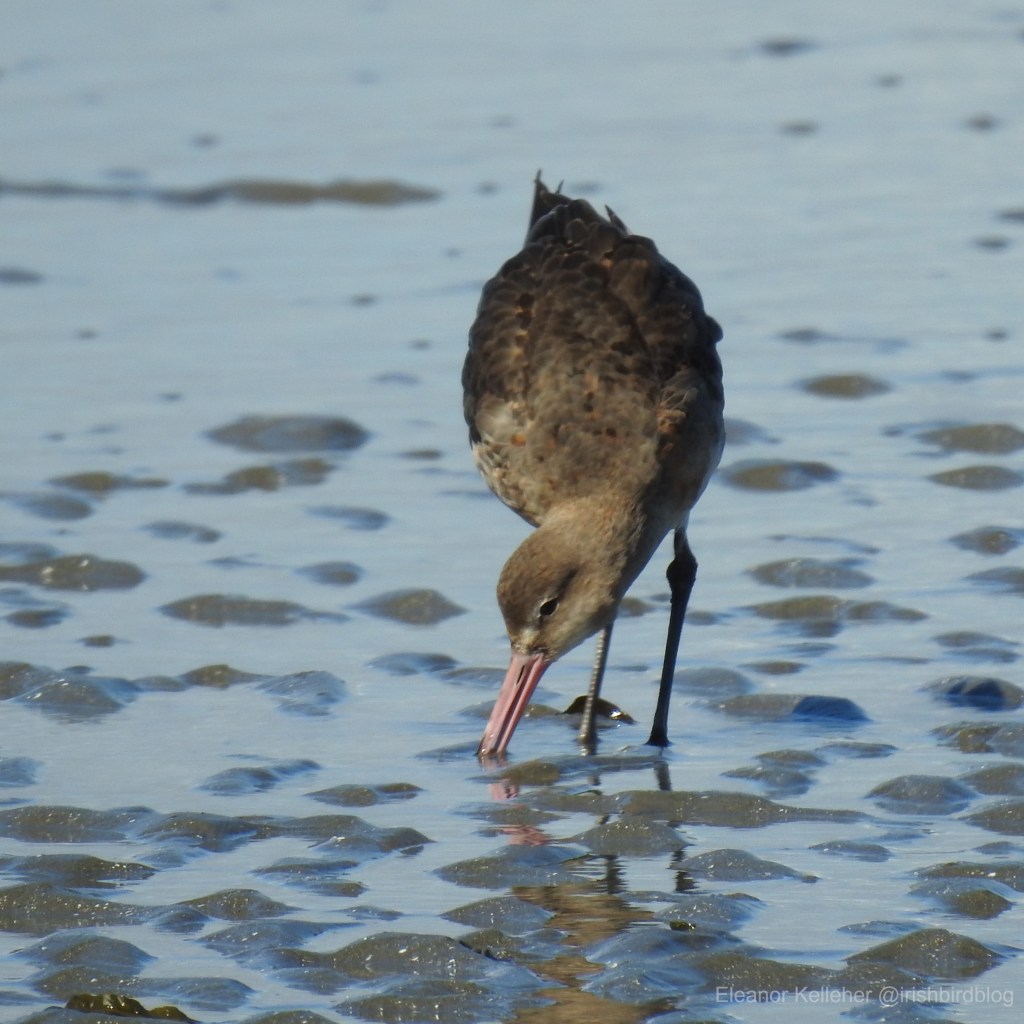
Another tip that could help you spot them is that they often have muddy faces. In fact the Limosa part of their name means muddy, and it’s incredibly apt because they just love sticking their faces in it. They’ll spear their long beaks down into the silty sand where they most love to tread, and jackhammer away, hitting a max peck speed of 36 pecks a minute! Successful drill runs will yield worms, bivalves, shore-crabs, and miscellaneous insects for the godwit to snack on.
Other fun names for this bird include their old English names that were, presumably, based on their shrill repetitive “wickawickawicka” call that sounds similar to when you suddenly squeeze a dog toy: Blackwit; Whelp; Yarwhelp; Shrieker; Barker; and my personal favourite, Jadreka Snipe. All beautiful names for baby girls that we should bring back into the zeitgeist.

Fun fact about black-tailed godwits: They’re the national bird of the Netherlands!
Less fun fact about black-tailed godwits: A study conducted in the Netherlands showed that they have a mortality rate of about a third each year – so in their first year it’s 37.6% mortality, in the second it’s 32%, then 36.9% for the years after that. They’re listed globally as a near-threatened species, and if I had to guess the culprit is the usual wombo-combo of humans hijacking their habitats and food sources, and climate change exacerbating those issues further.
But we can also blame France, because for some reason, godwits are still being hunted there. Up to 8,000 birds are killed per year, and I cannot find a reason as to why (not that I think they could justify it to me).
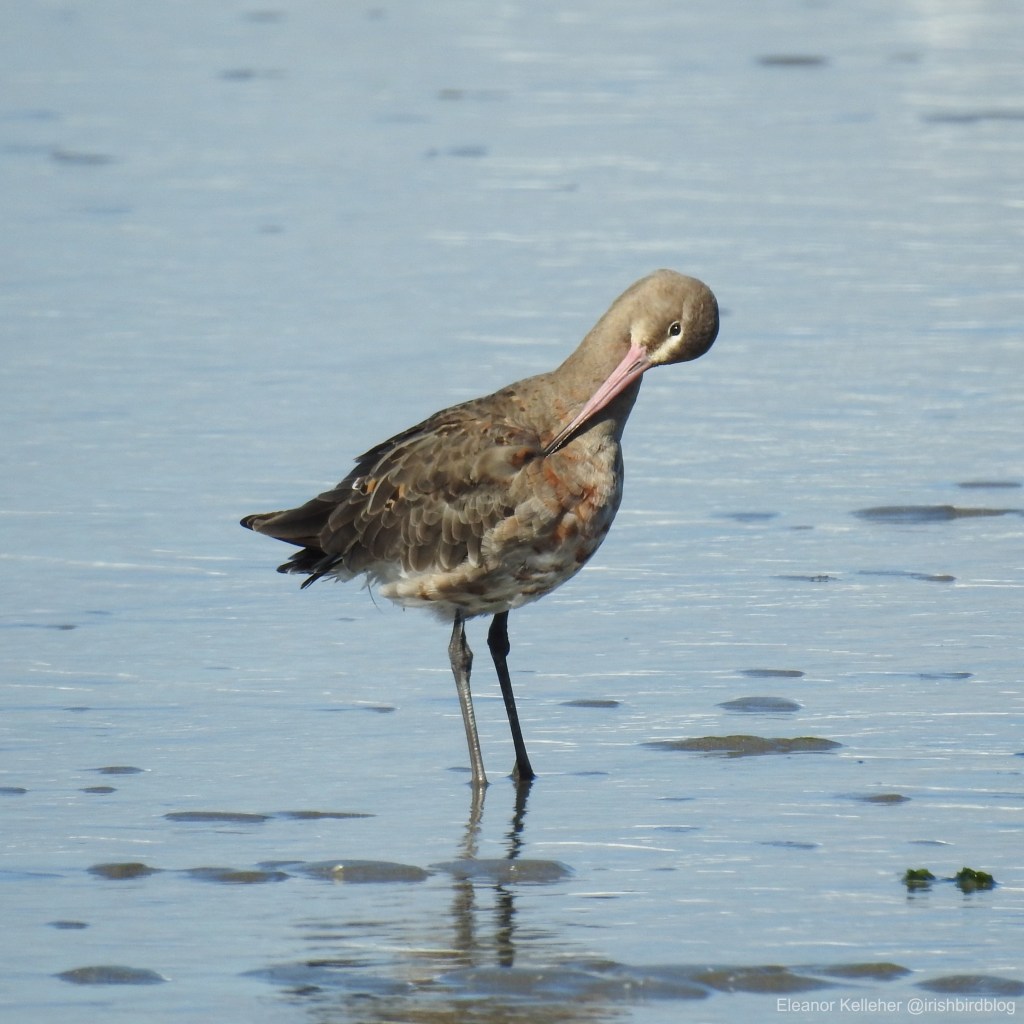
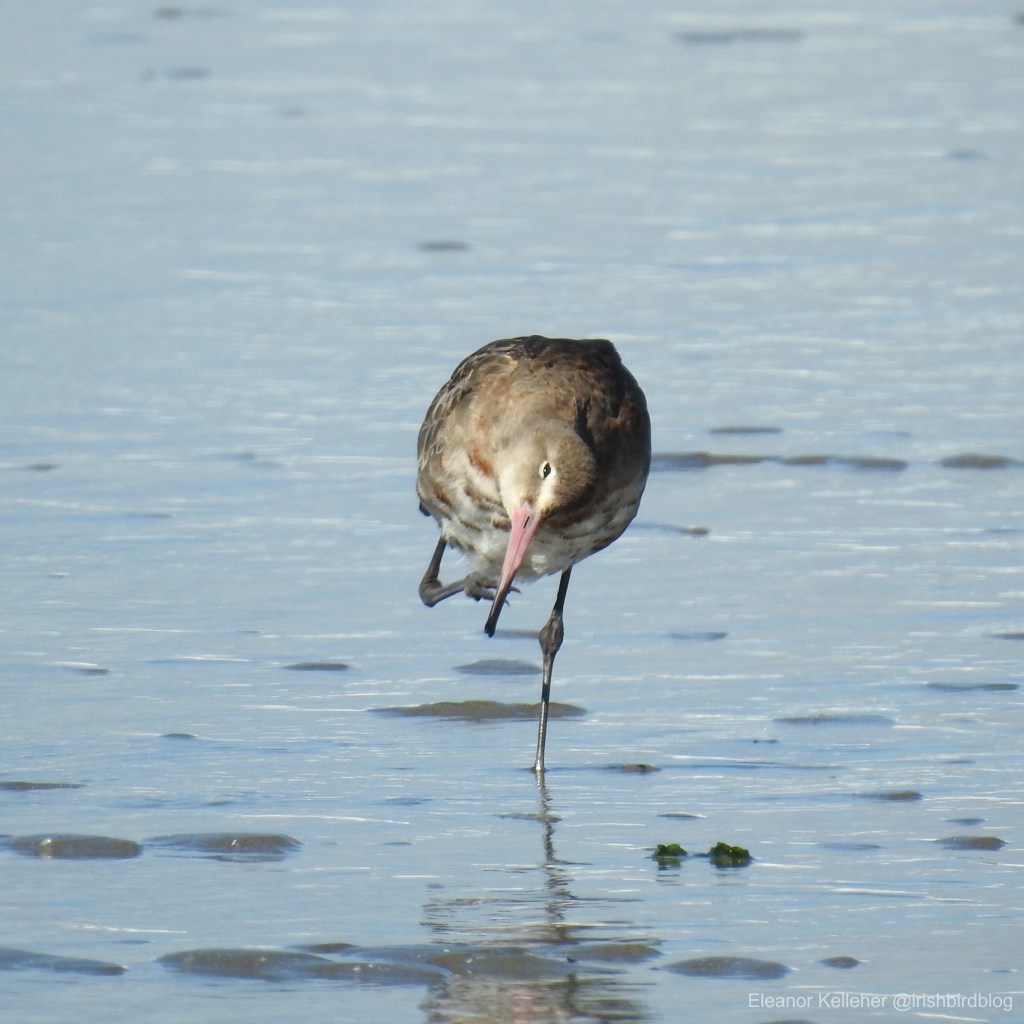
We went out to Turvey Nature Reserve for Global Big Day in October, which is a day where people are encouraged to record and report what birds they see, and we happened to meet some fellow birdwatchers. We spent time in the hide set up there by BirdWatch Ireland and got talking to a volunteer who had massive amounts of bird knowledge and a really nice fancy scope to look through. He told us the differences between the black-tailed and bar-tailed godwits, and somehow managed to summon them to the nearby estuary? I’m convinced once you learn enough about birds you gain some sort of druidic power where they hear you talking about them and appear nearby, because this isn’t the first time something like that has happened.
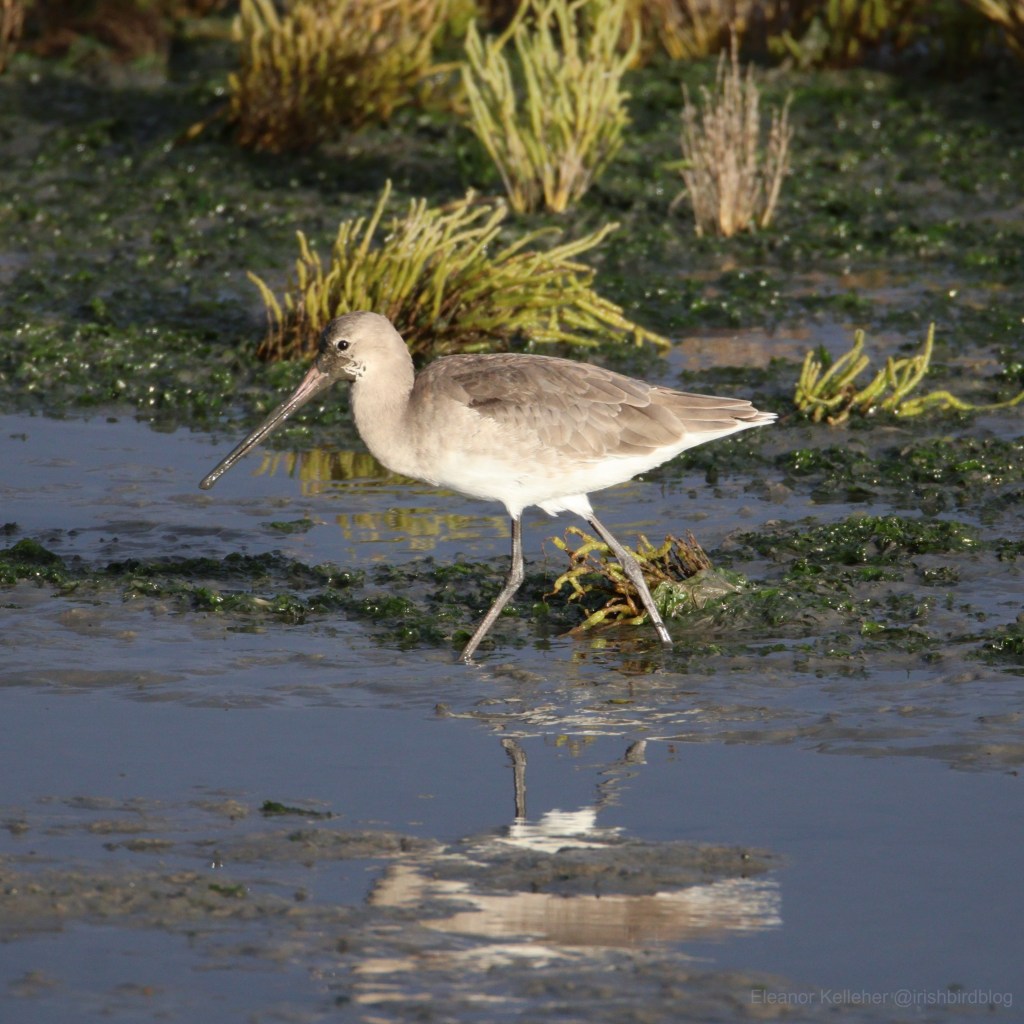
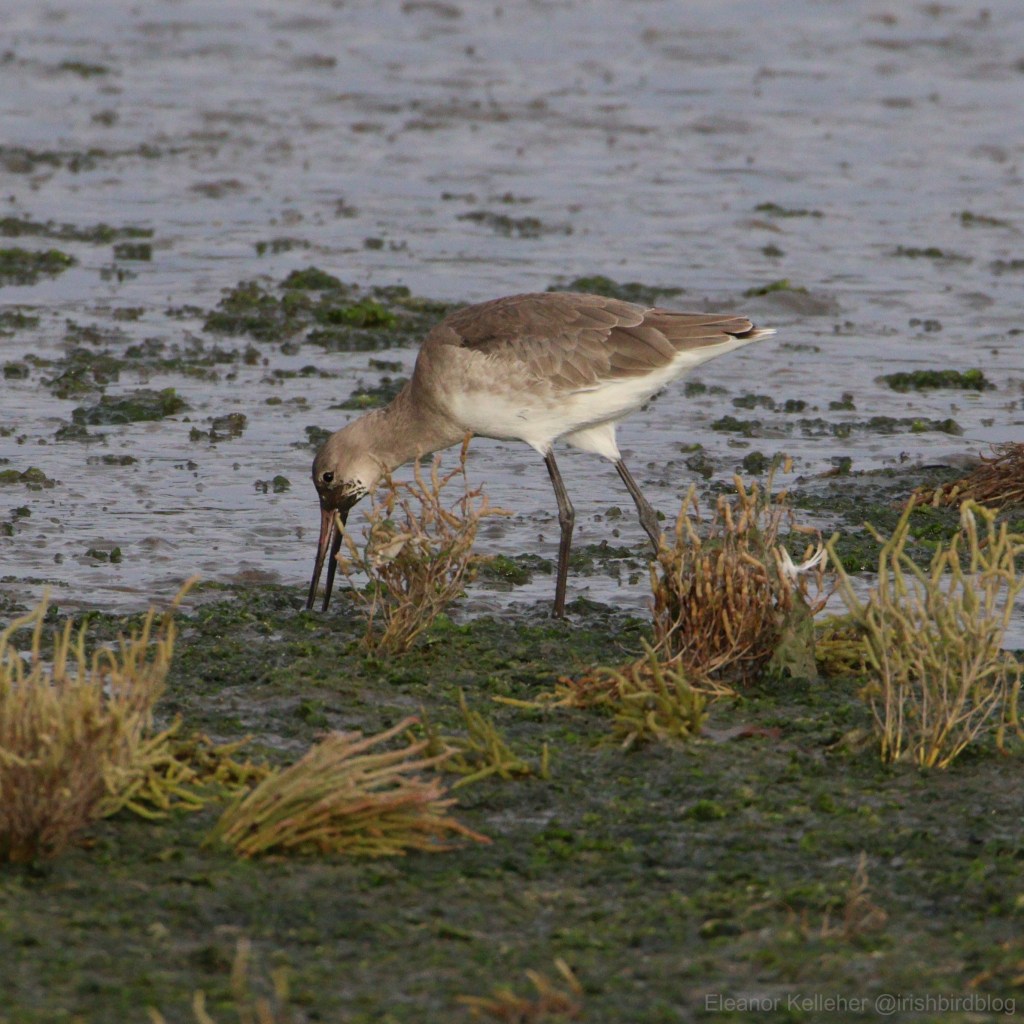

We can’t summon them for you, but there is a myriad of them hanging out on the coast for the next few months, if ever you need a reason to get out of the house, like me. Let us know if you manage to pick them out of the crowd, and especially if you spot one with a ring. Who knows, maybe by the time we write a bar-tailed godwit article you’ll already be a pro at telling them apart from their cousins.
 The Irish Bird Blog