New year, same Bird Blog! After the whirlwind of glittery lights and cinnamon-y smells that is December, it’s nice to be settling into 2025 with the quiet meditative process of writing about a bird – and what a bold bird it is! We’re the starting the year off right with a bird who’s brash, loves to thrash, and makes quite a splash. This month’s bird is the (Light-Bellied) Brent Goose (Branta bernicla hrota), known as Cadhan in Irish.
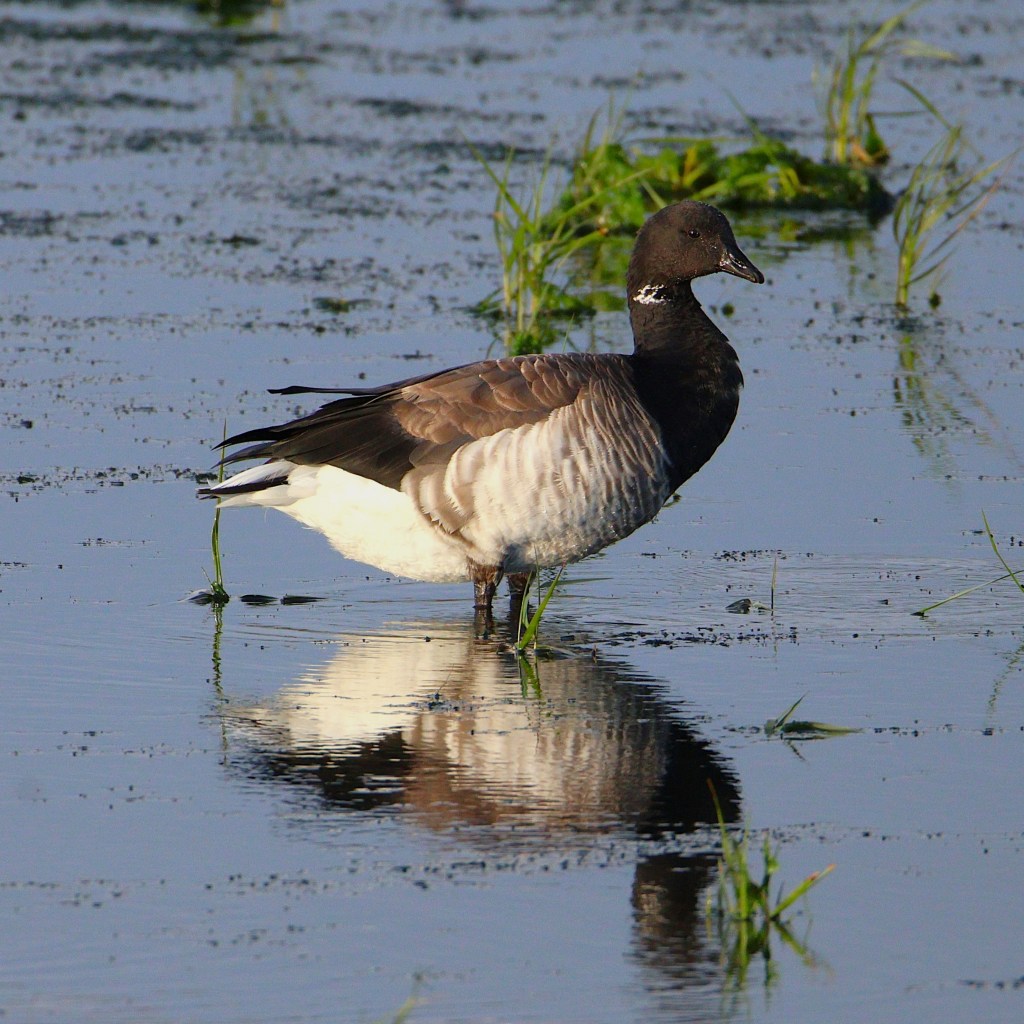
Here in Ireland and over in the UK, we call them “brent” geese, but other areas refer to them as “brant” geese, probably due to their Latin name. I think we should all agree on one name: “burnt” geese, since branta is the Latinised form of the old Norse word brandgás which means “burnt goose”. And it’s a fitting name, given their crispy heads and necks. As you look down at the rest of their body, however, you’ll notice that the printer was rapidly running out of ink, leaving them with the soft white tummy feathers that give them their “light-bellied” handle.
The specific epithet bernicla in their Latin name is the Medieval Latin word for “barnacle”. People in the Middle Ages did believe brent and barnacle geese were one and the same; not because they bear any sort of resemblance to each other, but because they believed that these birds came from barnacles. The myth began in the 1100s, with records of birds seemingly emerging from shells. Folks never saw any eggs or goslings, since these geese breed in the northern Arctic tundras of Canada and Greenland, and migration hadn’t been discovered yet, so they came up with their own explanation for their sudden appearance. This belief persisted until the 18th century, and until recently, Catholics in County Kerry could eat this bird on a Friday because it counted as fish!
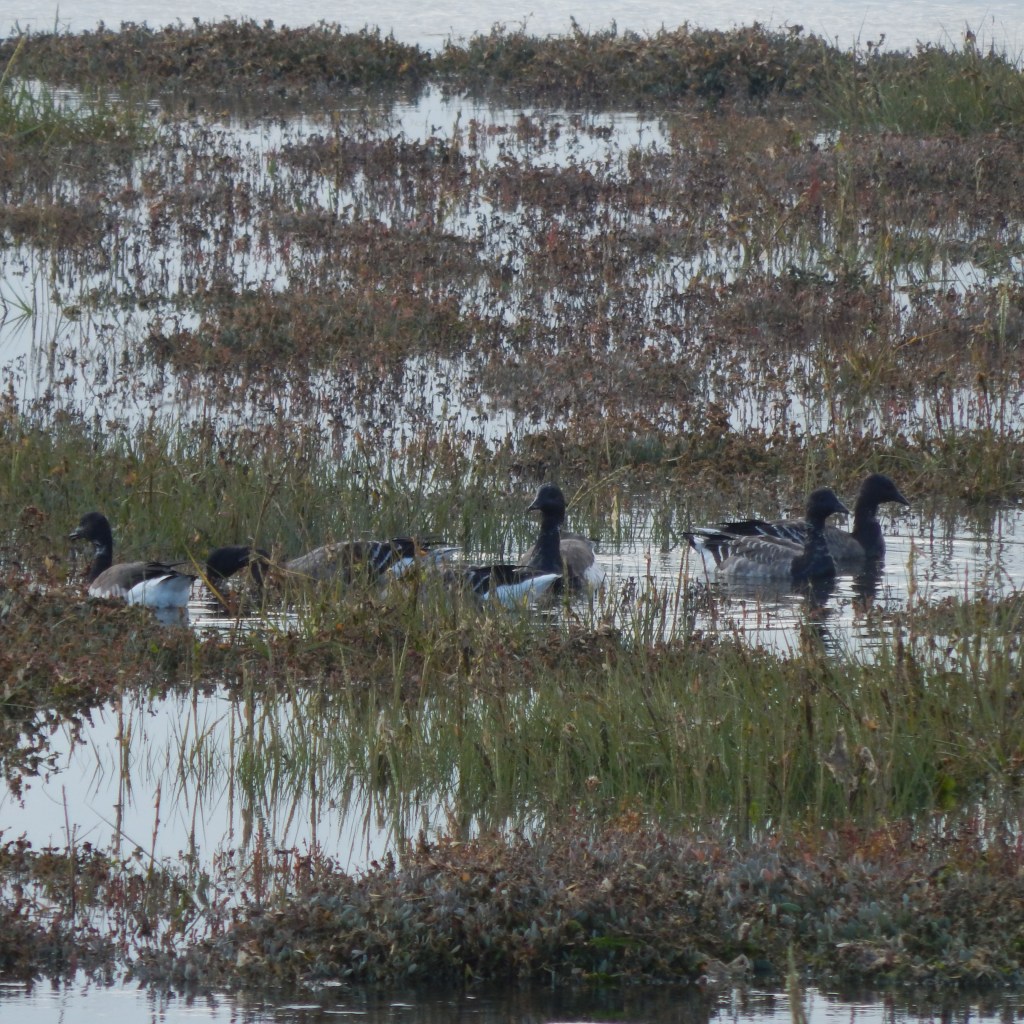
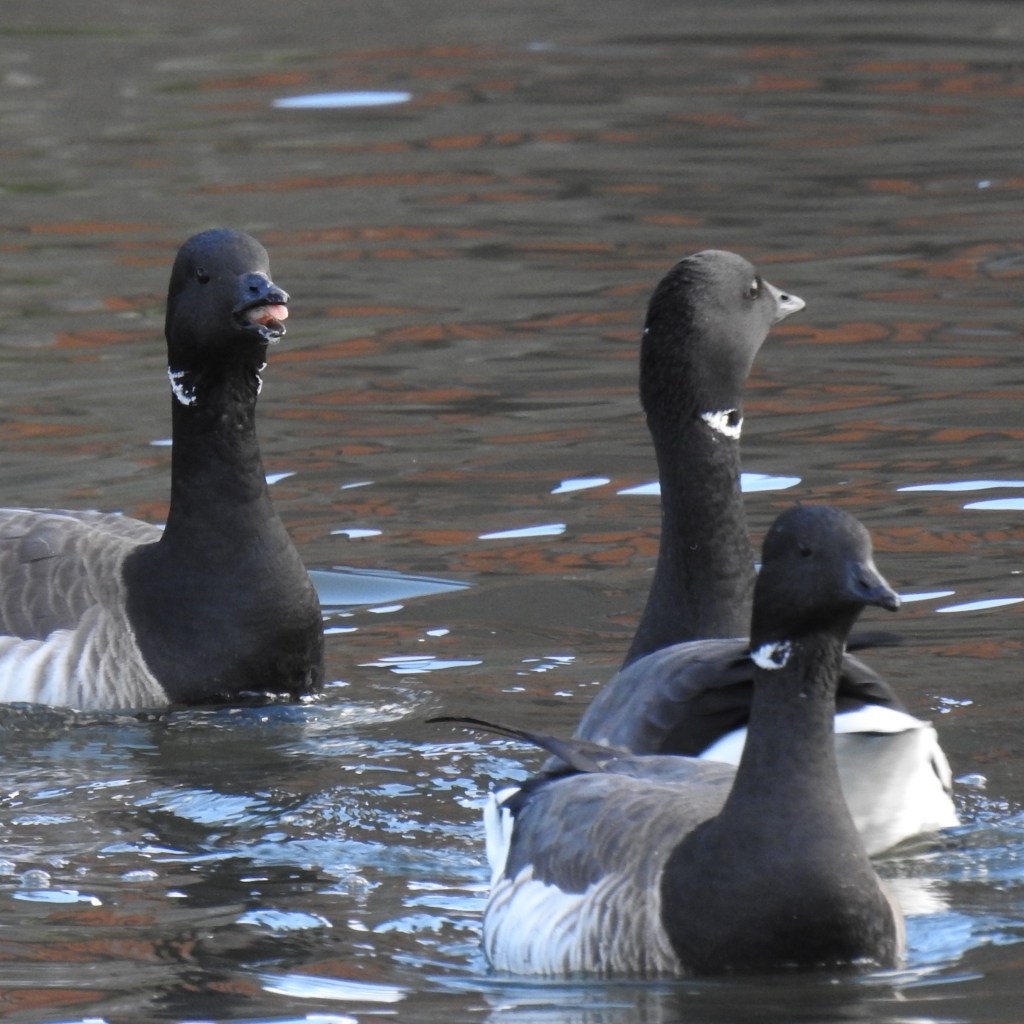

Thankfully, we now know about migration patterns so we have definitive proof that they aren’t a terrifying bird-fish hybrid creature, and it means we can track them! Special shout out to the Irish Brent Goose Research Group (IBGRG) (very fun to try pronounce that acronym), who are “steering scientific research, education and outreach” on this species. Their Publications page has a picture of a brent goose guarding their nest and looking like a dragon lording over their hoard and it may be one my favourite bird photos that I’ve seen (not including the ones we’ve taken ourselves, of course).
Ireland hosts the majority of the 40,000 or so birds that make up the specific flyway population IBGRG focuses on; flyway (word of the day) being the specific path taken by a large number of migrating birds. Numerically, that makes brent geese the single most important waterbird species in the country. I salute you IBGRG, I couldn’t handle wrangling that many birds, especially not geese.

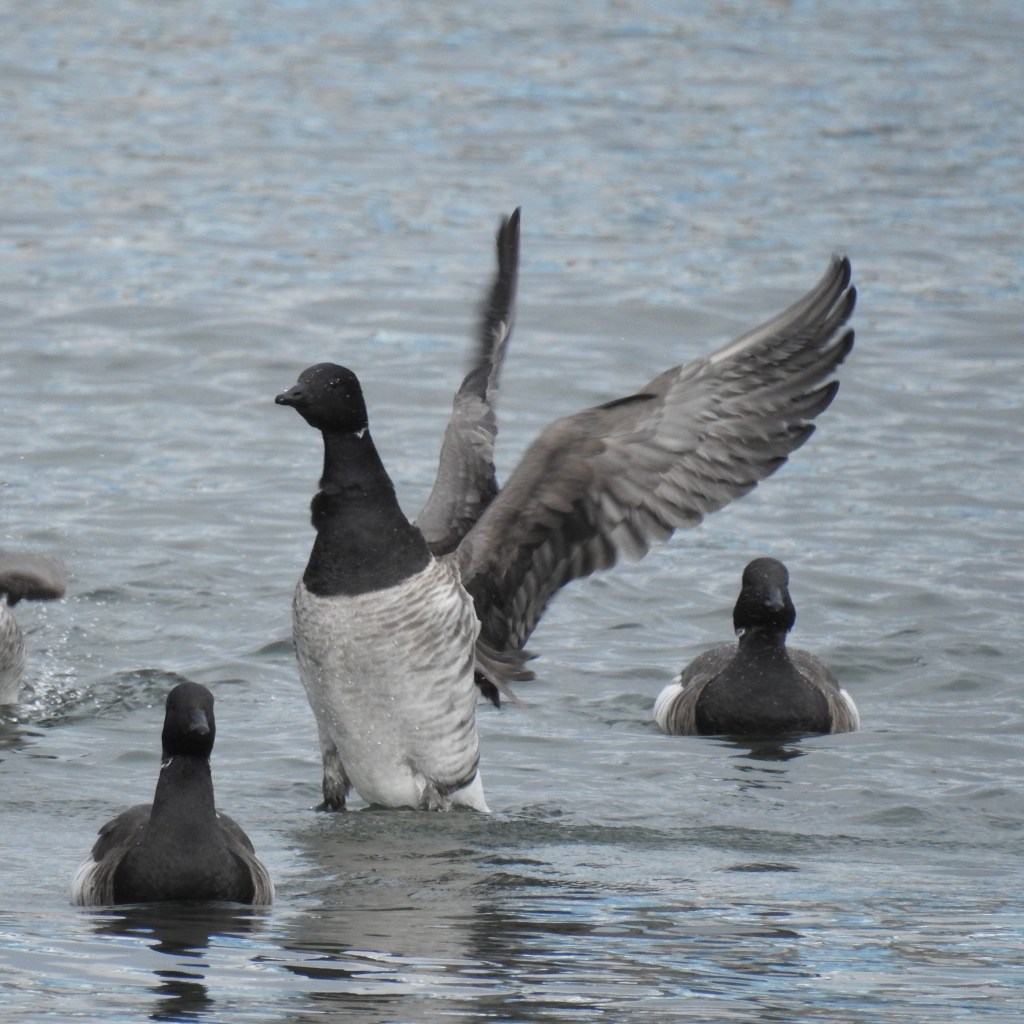
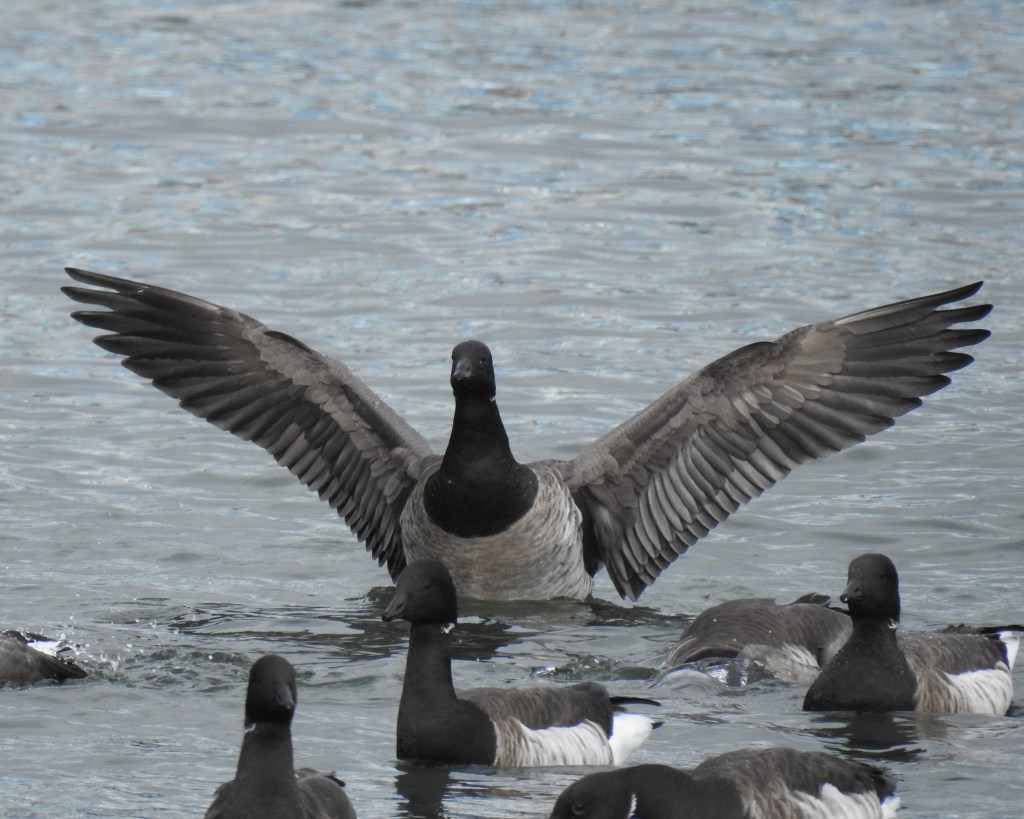
So where do our brent geese go when the hypothetical snow melts in spring? According to our sophisticated tracking methods, we know they’re Canadian and make their home specifically on Ellesmere Island, the northernmost island in Canada. Brent geese are relatively small as far as geese sizes go, but they sure have hench muscles to handle flying across the Atlantic twice in one year!
It’s no surprise that they’re so tough. These birds breed in the harsh conditions present up near the Arctic, they’re some of the highest latitude breeding birds that exist in the world. Nesting in boggy estuary tundras along the northern shores of the continents, starting off life in the cold and looking out towards the North Pole, our European shores must be a welcome break.
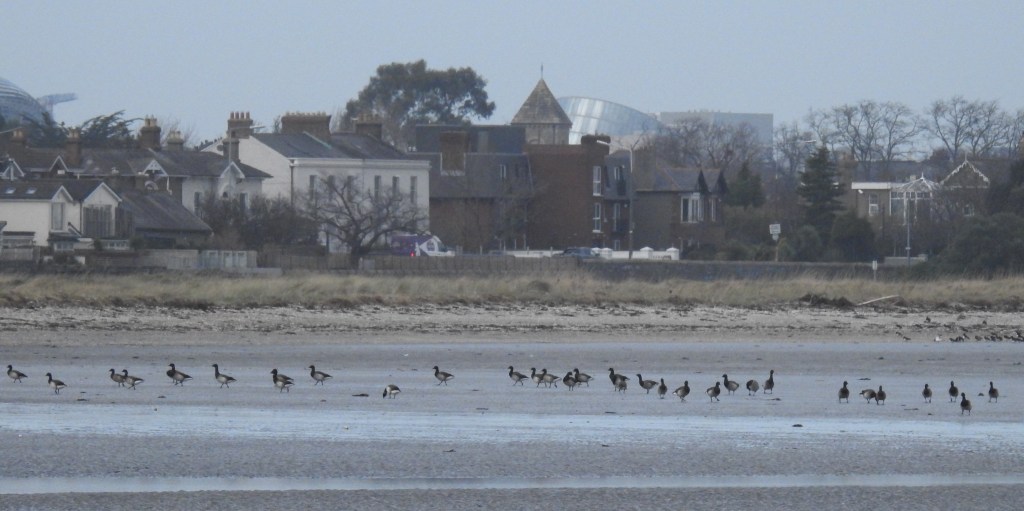
To build up that mass, muscle or otherwise, brent geese would typically only eat eelgrass or specific types of algae. But since the 90s they’ve been found increasingly feeding on plant matter in grassland fields and on winter-sown cereals near the coast. They might have learned to love these easier meals by observing other geese species, or they may have been forced to adapt as their preferred food source dwindles. I’m choosing to believe it’s the former, because I don’t want to be sad.
It also reminds me of a story I heard from a friend who played rugby. A bunch of brents had set up shop on the pitch that he used to play on, and since they’re a protected species, you can’t really do anything that might bring harm to them (and to be honest, if you tried anything funny, they’d break your arm with one devastating beat of those powerful wings). So practice was just delayed indefinitely until the geese moved on, which took so long, they ended up having to find another pitch. It seemed like a funny story at the time, but occurrences like that have become more recent as the geese slowly move further inland each year. Maybe soon we’ll see them on the manicured lawns of Stephen’s Green, terrorising small children for their ice cream cones.
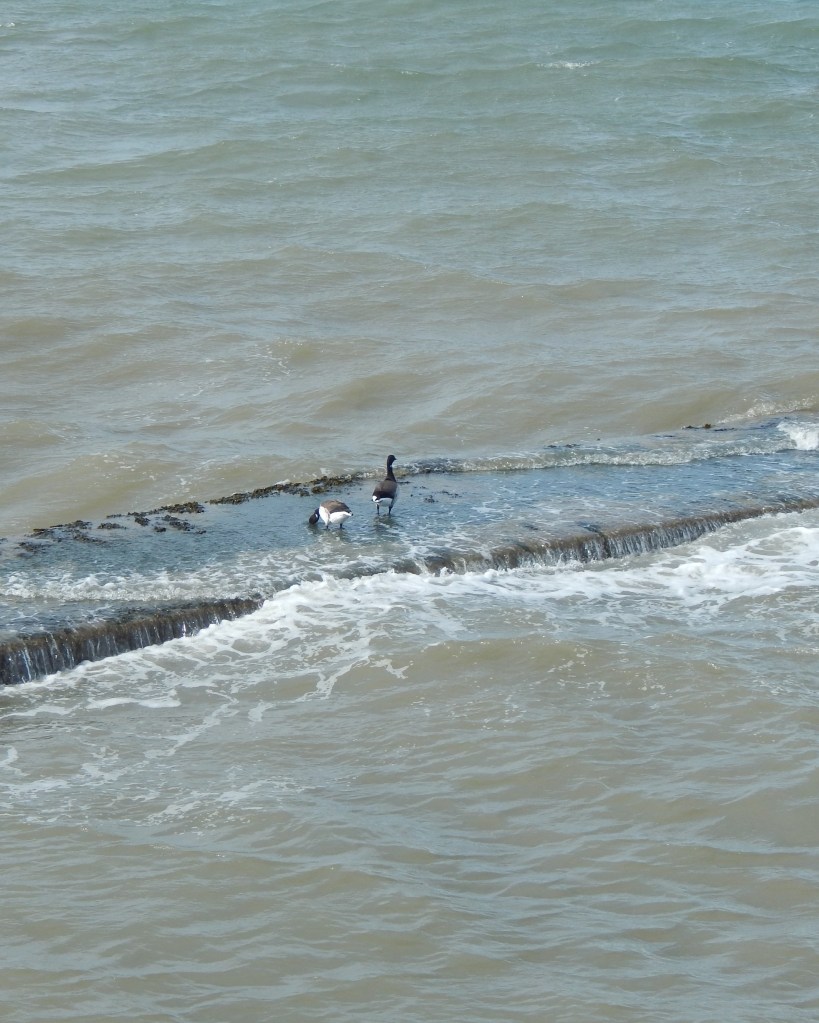
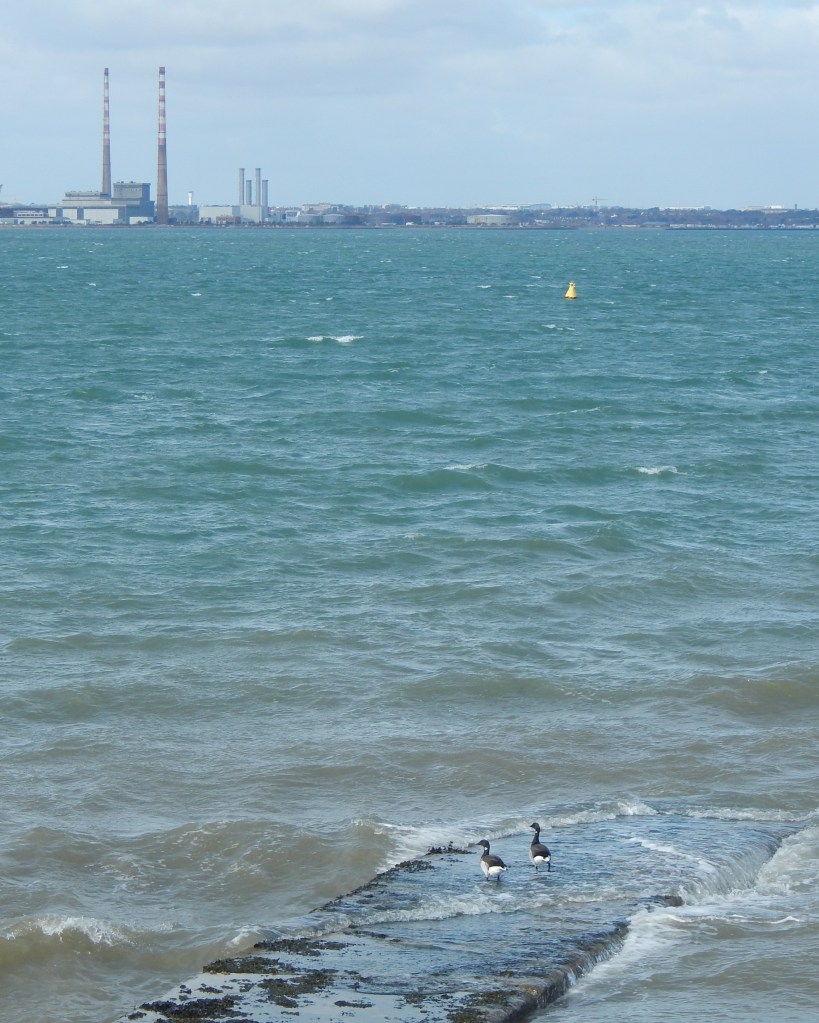
Clearly there’s a lot of eyes on these birds, and now you can add yours to the list of peepers too. If you would like to actually contribute beyond just reading about the geese, the Irish Wetland Bird Survey conducts special surveys of brent geese in October and January and they’re always looking for more volunteers to help count some birds. So if you’re ready to take some tentative steps out of your winter hibernation, get out there and keep your eyes peeled for the burnt black head of the brent goose.
 The Irish Bird Blog