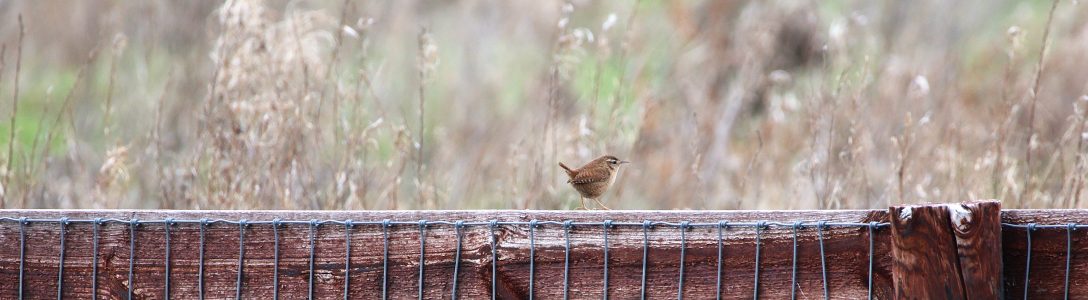
What a long year it’s been. I’ve been outsourcing my hope to the tiny green shoots pushing out of the hard soil. Then the intense rain we’ve been getting has flooded the flower pot. The metaphors write themselves. But folks, we’re heading into February: Valentine’s month. When everything out of your control feels dark, it’s important to focus on the things you can affect, and especially the other people around you. That’s why for this post, we want to talk about a bird that’s spreading the love by spreading their wings. A bird whose such a bleeding heart, that their feathers are stained red from the passion. This month’s bird is the Linnet (Linaria cannabina), known as Gleoiseach as Gaeilge.
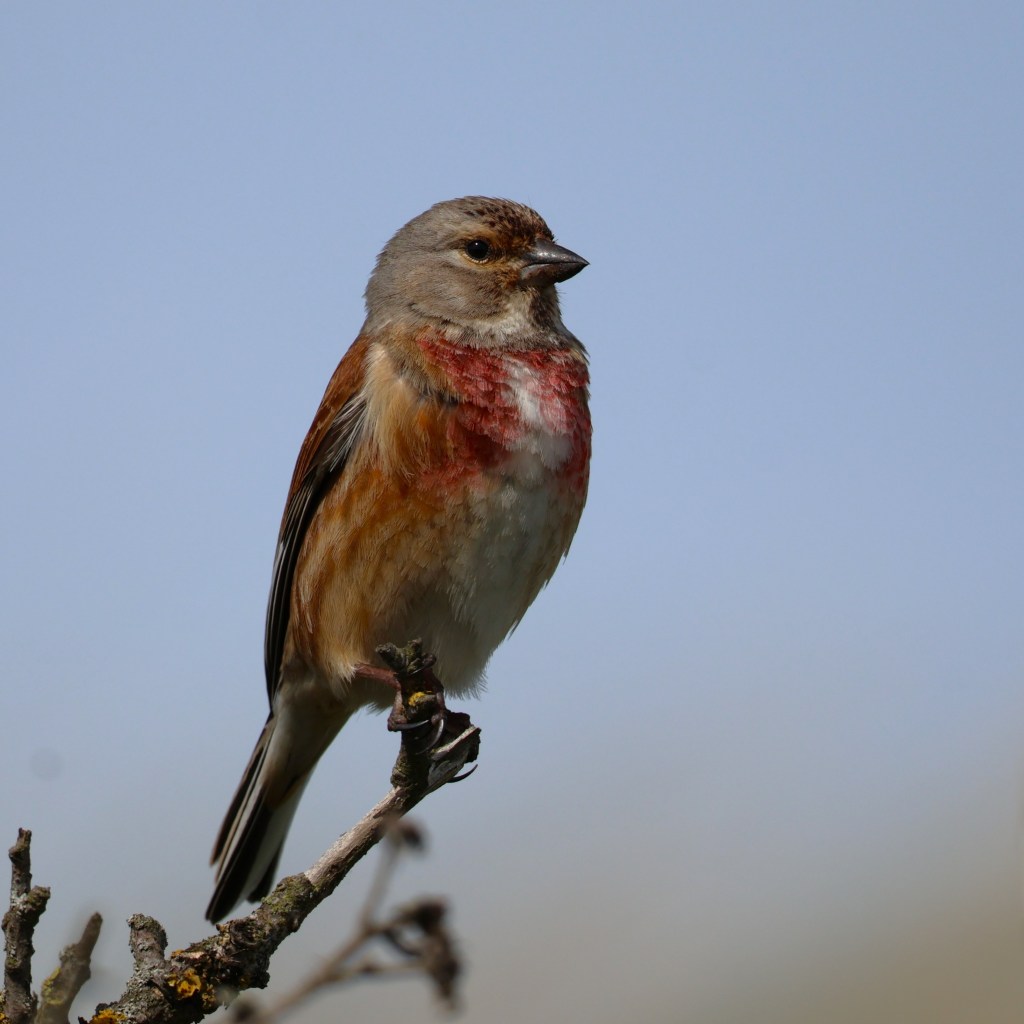
The sea breeze whips waves against the breakwater, sending them crashing against the black stones. They glitter for a moment in the summer morning sun, before fresh waves lash them. Crumbling walls stand vigil along the empty pier, their salt-saturated bodies too full to take on the graffiti that covers the forgotten walls further inland. Nature has reclaimed the earth around the pier and scrubby grass rattles in the wind. Perched on a tuft, a small songbird sways. They blend into the russet grass around them, the black and white stripes on their brown wings aliasing into camouflage. You’d almost miss them, were it not for the bright shock of crimson on their chest, like they’ve been shot through the heart. Above the roar of the sea the bird starts to sing, their call dotting the air like a dozen kisses.
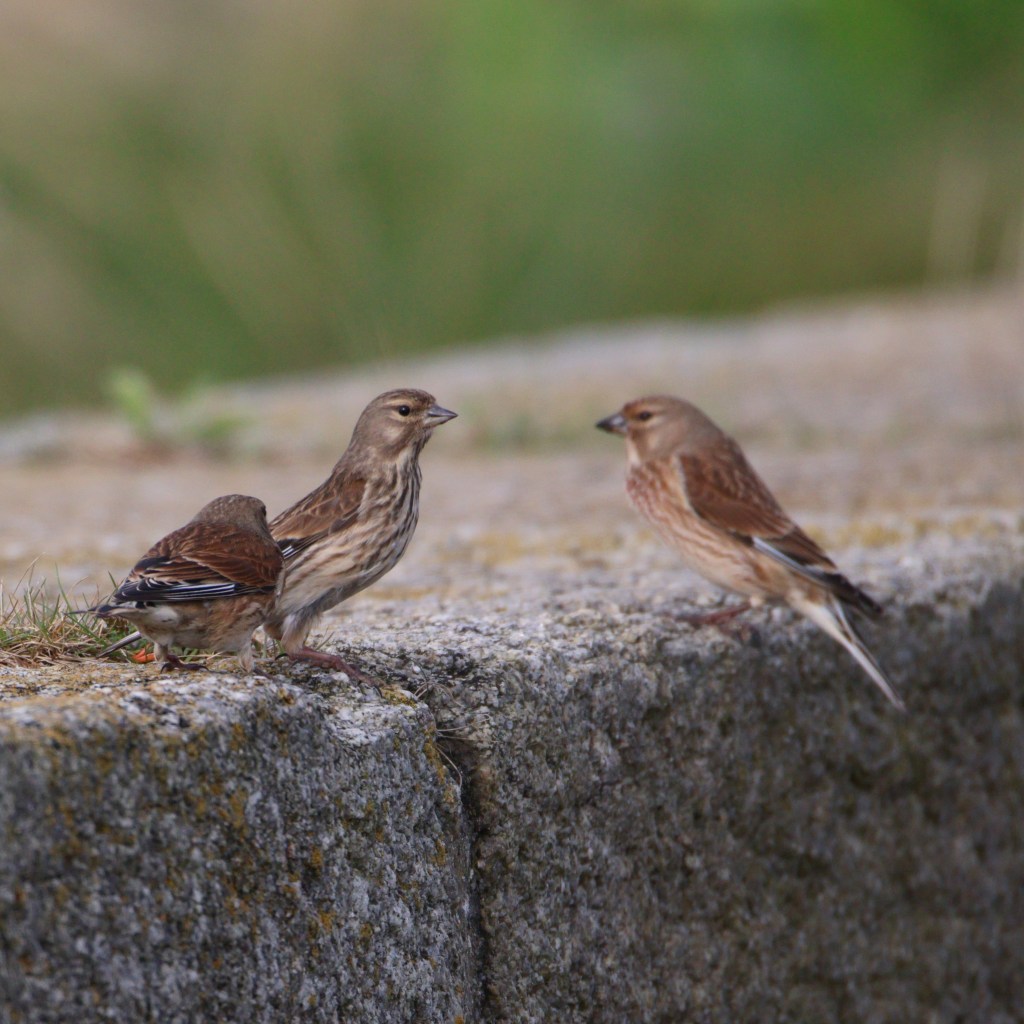
When I think of Valentine’s day I think “lovey-dovey”; who doesn’t associate romance with those plump white birds? But I would argue the linnet is an even bigger symbol of amour. This bleeding heart is a type of finch, a symbol of good fortune for all who encounter them. Certainly something to be shared with more than just one person! And the linnet is one of the most popular finches when it comes to works of romance. Alfred Tennyson wrote of “the linnet born within the cage” in canto 27 of his 1849 poem “In Memoriam A.H.H” — the same section that includes the famous line “Tis better to have loved and lost / Than never to have loved at all.” At home, the linnet features in work by Oscar Wilde (as a character in his 1888 children’s story “The Devoted Friend”), and W.B. Yeats (in his poems “Lake Isle of Inishfree” and “A Prayer For My Daughter”). Other notable linnet mentions can be found in the works by other big names you may know; Charles Dickens, Robert Burns, William Wordsworth, and Emily Dickinson.
The gleois part in the linnet’s own Irish name refers to chatter, or babbling; an odd choice for a finch, since their call doesn’t sound much like the burbling song of a warbler. Jim Wilson, (field guide writer and former BirdWatch Ireland chairperson), once described the call of the linnet in flight as “squeaky — like a wet cork rubbed against glass.” But I think these birds are just so eager to get their love song out to you, that they don’t have the patience for a long draw out croon. Each note is a kiss that punctuates the air, hoping to find its way to you.
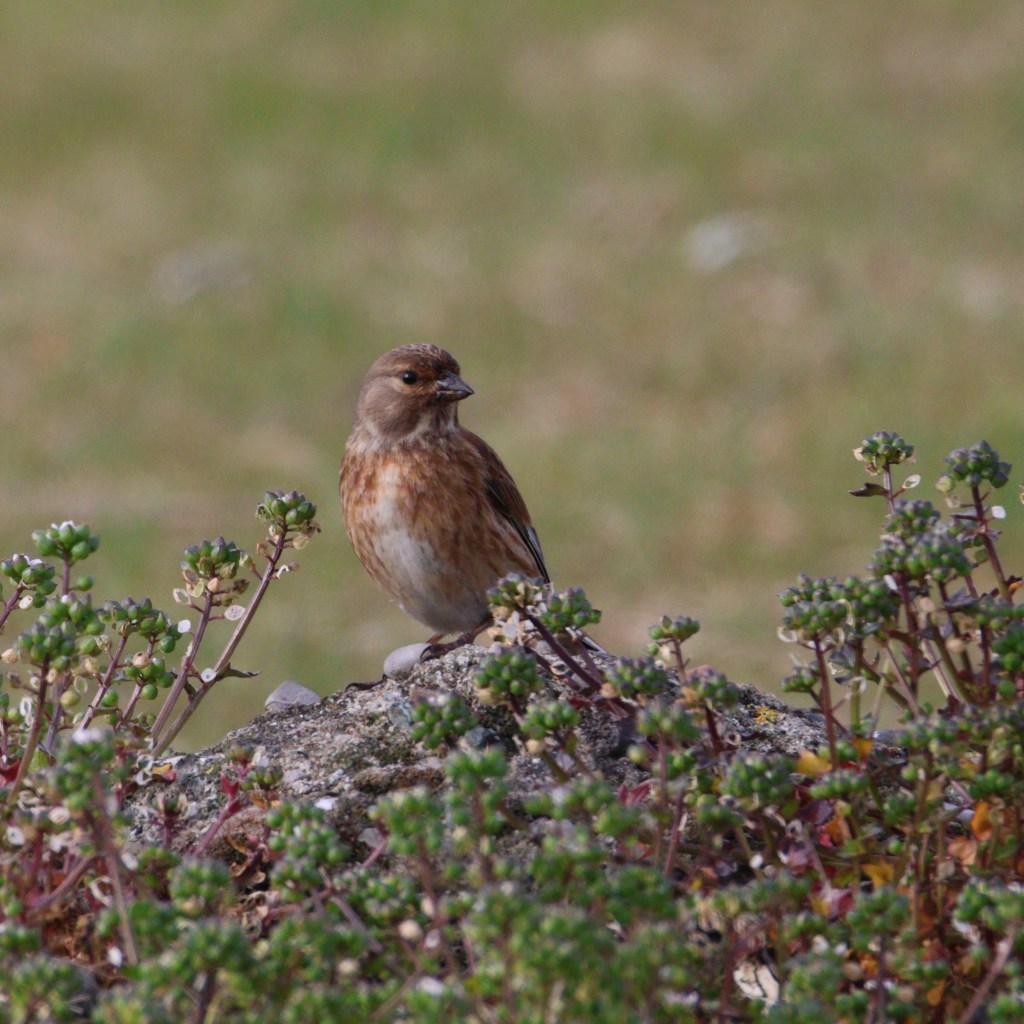
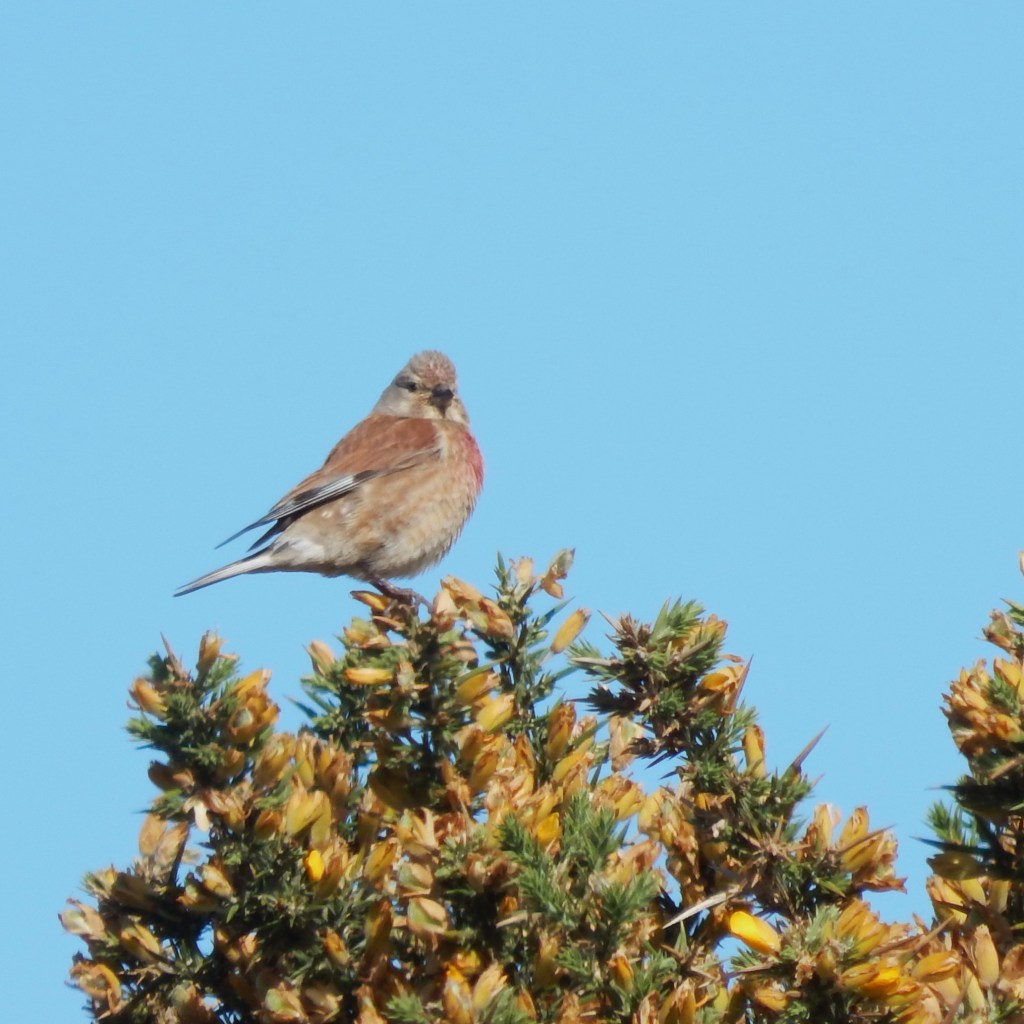
Being wild souls, linnets can be found in places forgotten by time, abandoned; where forbidden lovers run for secret meetings. Look for them on gorse that’s as untamed as their spirit, or in uncultivated fields as free as their hearts. In these places you’re sure to find their favourite food: seeds. Their binomial name references this, specifically linseed, which comes from the flax plant that we use to make linen. Flax is seen as a symbol of peace in Northern Ireland — perhaps that’s why the linnets eat it, in the hopes of calming their tumultuous hearts.
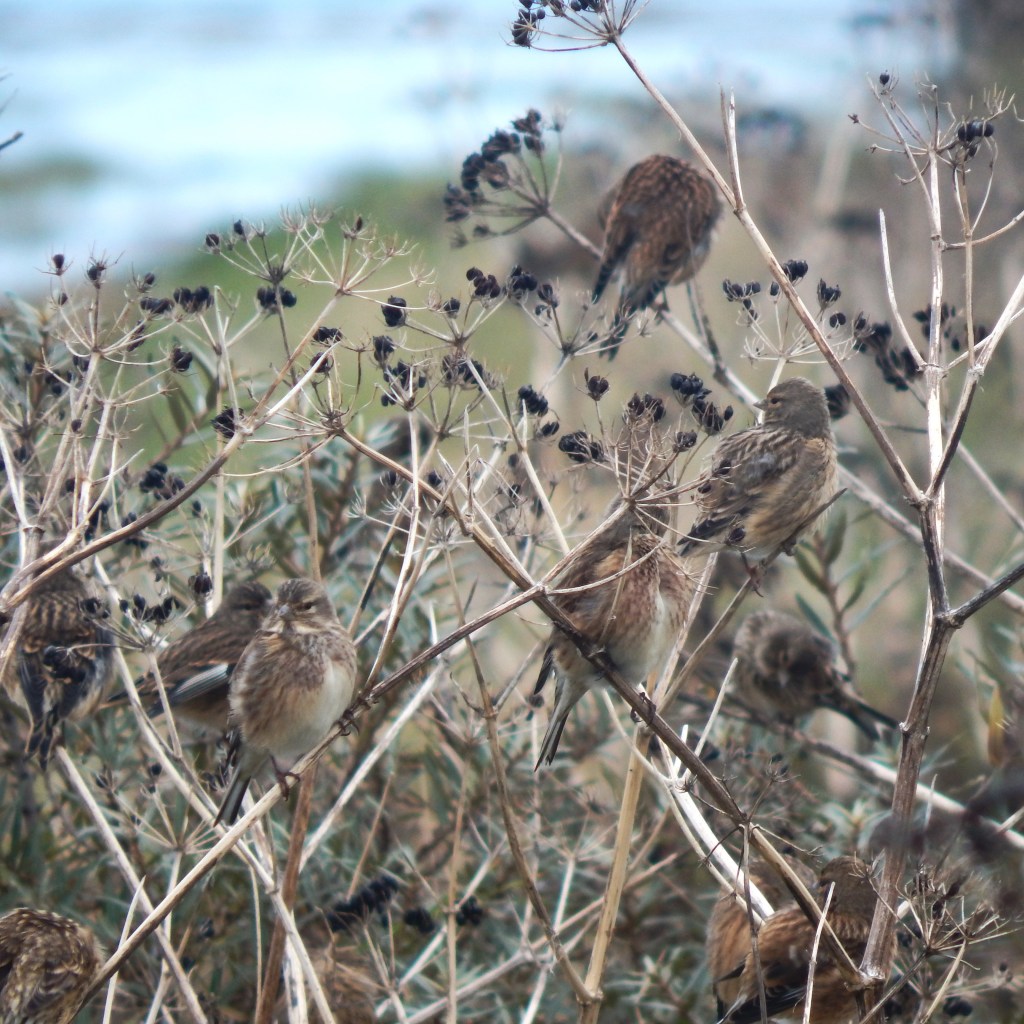
Of course, these romantics seek out connection, and often find it with other birds like them. They form flocks with other finches, like twites and redpolls. (And fun fact, both these birds have gleois in their Irish names as well! Twites are gleoiseach sléibhe, “mountain babblers”, and redpolls are gleoisín, “little babblers”.) Safety in numbers!
Unfortunately, these sensitive souls are susceptible to being ground down by our increasingly apathetic world. Linnets currently have an amber conservation status in Ireland, most likely caused by our intense management of our land. They nest in hidden thorny bushes at the heart of our hedgerows, which are always at risk of overpruning and illegal out-of-season cutbacks. It’s worse in the UK, where they are listed as red as their bleeding hearts. In just 23 years (between 1968 and 1991) Their population fell by 56%, owing to an increase in herbicides, aggressive scrub removal, and excessive hedge trimming. According to the Pan-European Common Bird Monitoring Scheme, the European linnets declined in population by 62% between 1980 and 2009. As colour and passion vanish around us, so does the linnet and its bold little breast.
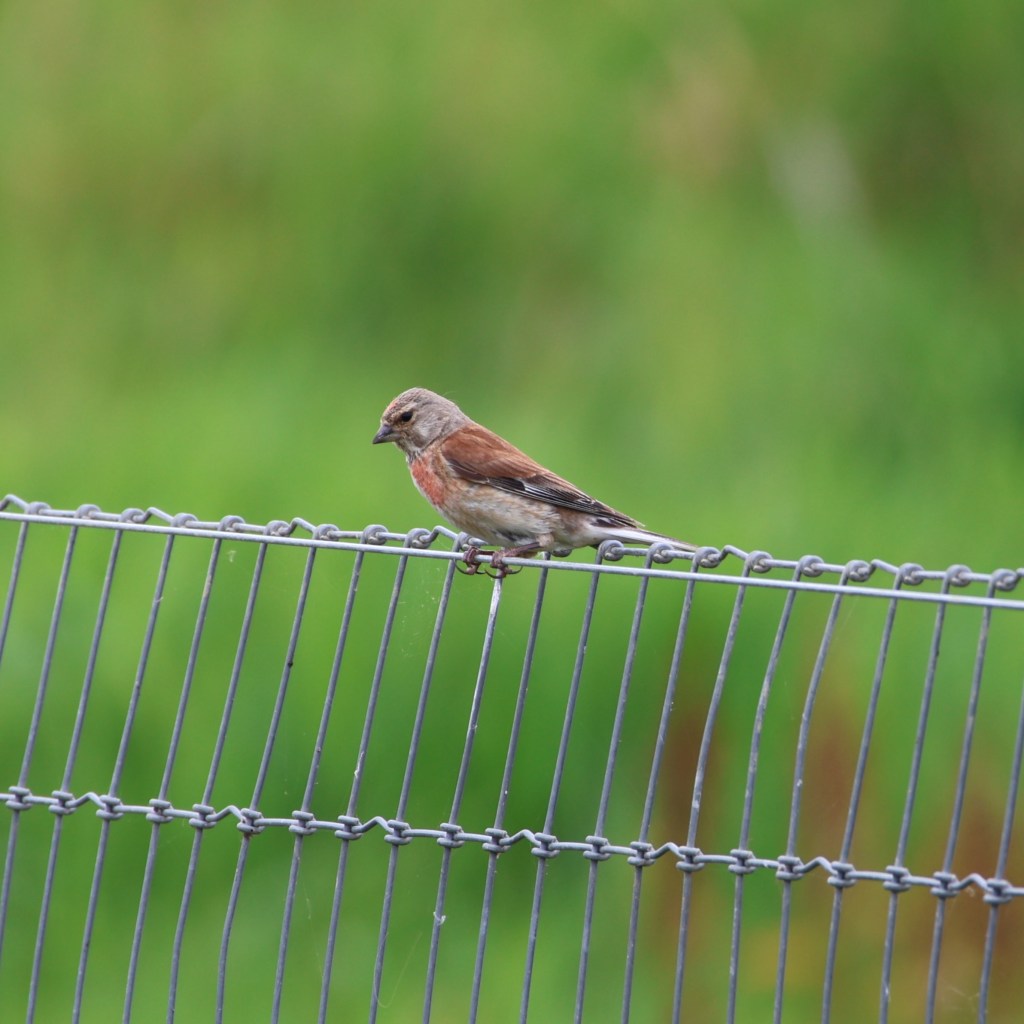
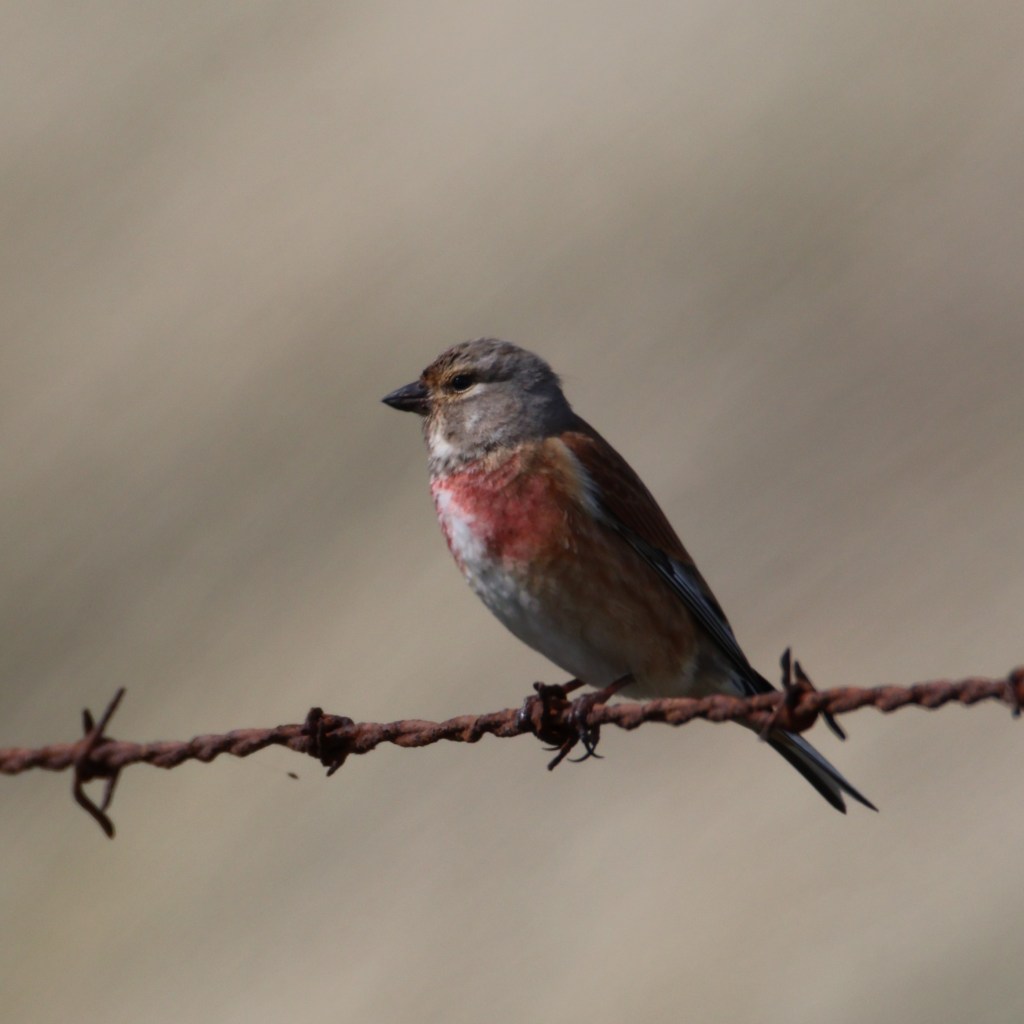
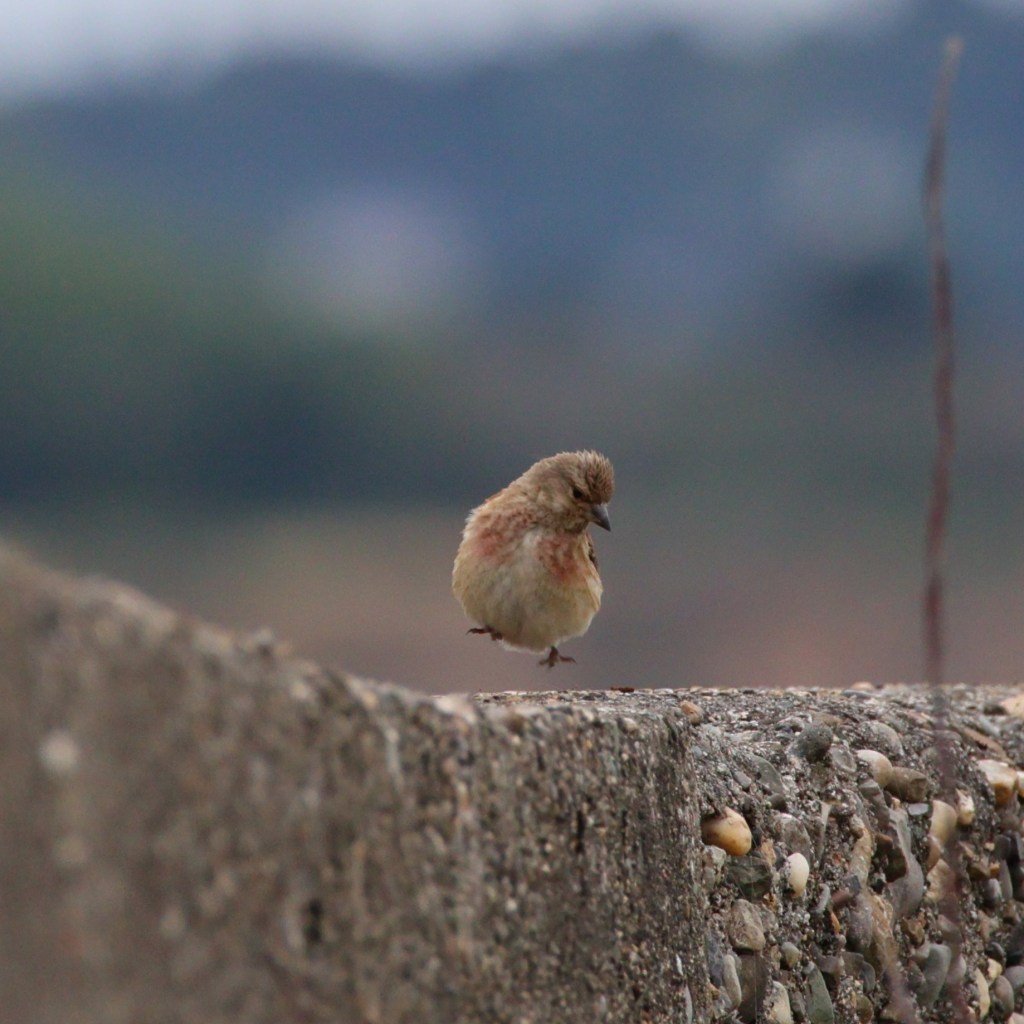
But don’t lose heart. Things move in cycles, and darkness is always followed by a step into sunlight. We can still work to make compassionate changes that leave the world better than we found it. And the linnets will be right there with us, trilling out a song of hope.
 The Irish Bird Blog