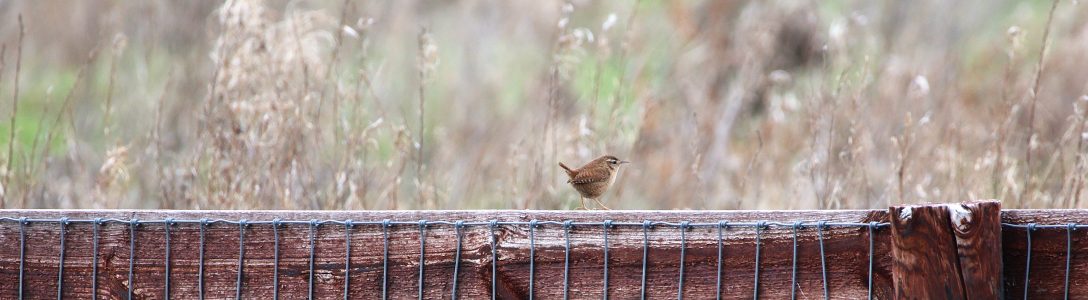
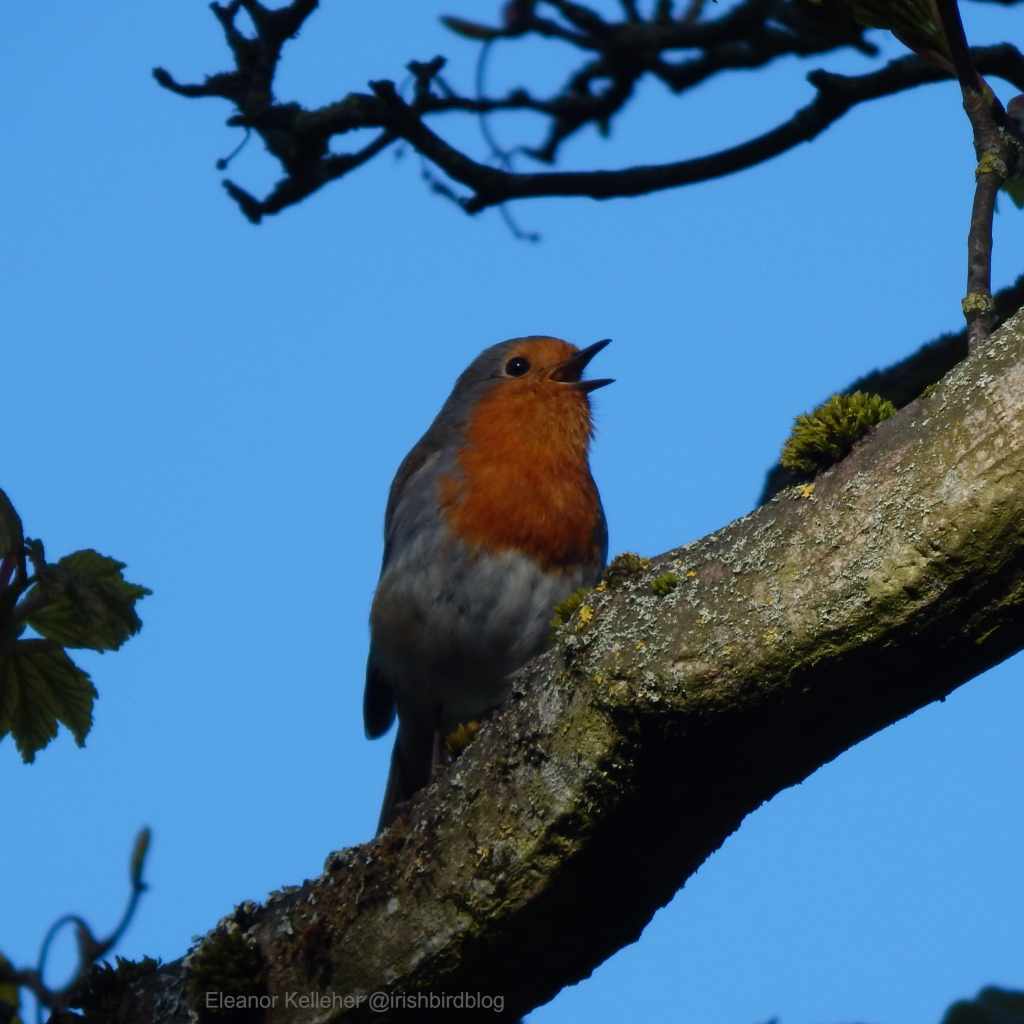
The European robin (Erithacus rubecula); spideog in Irish. These cheerful little birds, with their inquisitive eyes and colourful little bodies, can usually be found peeking out of hedgerows or singing their hearts out in trees. They are frequent visitors to our gardens and a beloved sight in the cold winter months. Were you to ask anyone between the ages of six and sixty in this country, they would surely be able to identify this sweet little bird.
So, what is it about the robin that makes it so remarkable?
To start, robins are firmly rooted in Irish mythology. They feature both as an omen and a blessing. There are many theories as to how they got their fiery chest feathers; From embers that sparked off of a dying fire, to blood shed through avian combat.
Legends say that if a robin entered your home, someone close to you would soon die. It was also believed that robins would perch on the windowsills of those about to pass away, soothing them with their sweet song. Killing a robin was considered bad luck, and would result in the offender being cursed with a permanent tremor in their hand. Robins also have ties to Christmas, often appearing on holiday cards and stamps. Some believe the cause to be their merry colour, while others point to their activity; while some birds sing during particular seasons, the robin is one of the very few birds in Ireland that practice their song all year round. If you hear a complex birdsong in December, look around for that flash of red, because nine times out of ten it’s probably a robin!
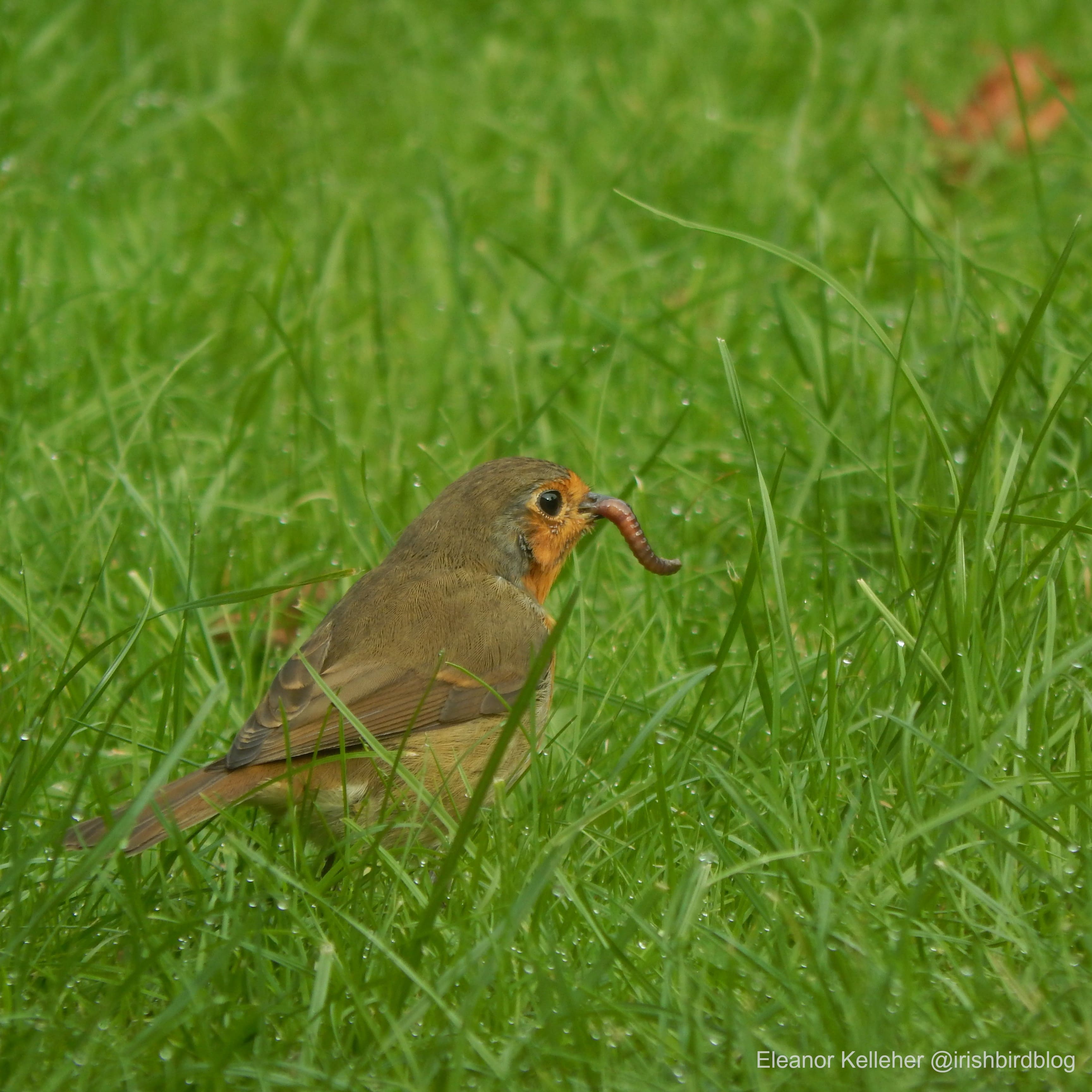
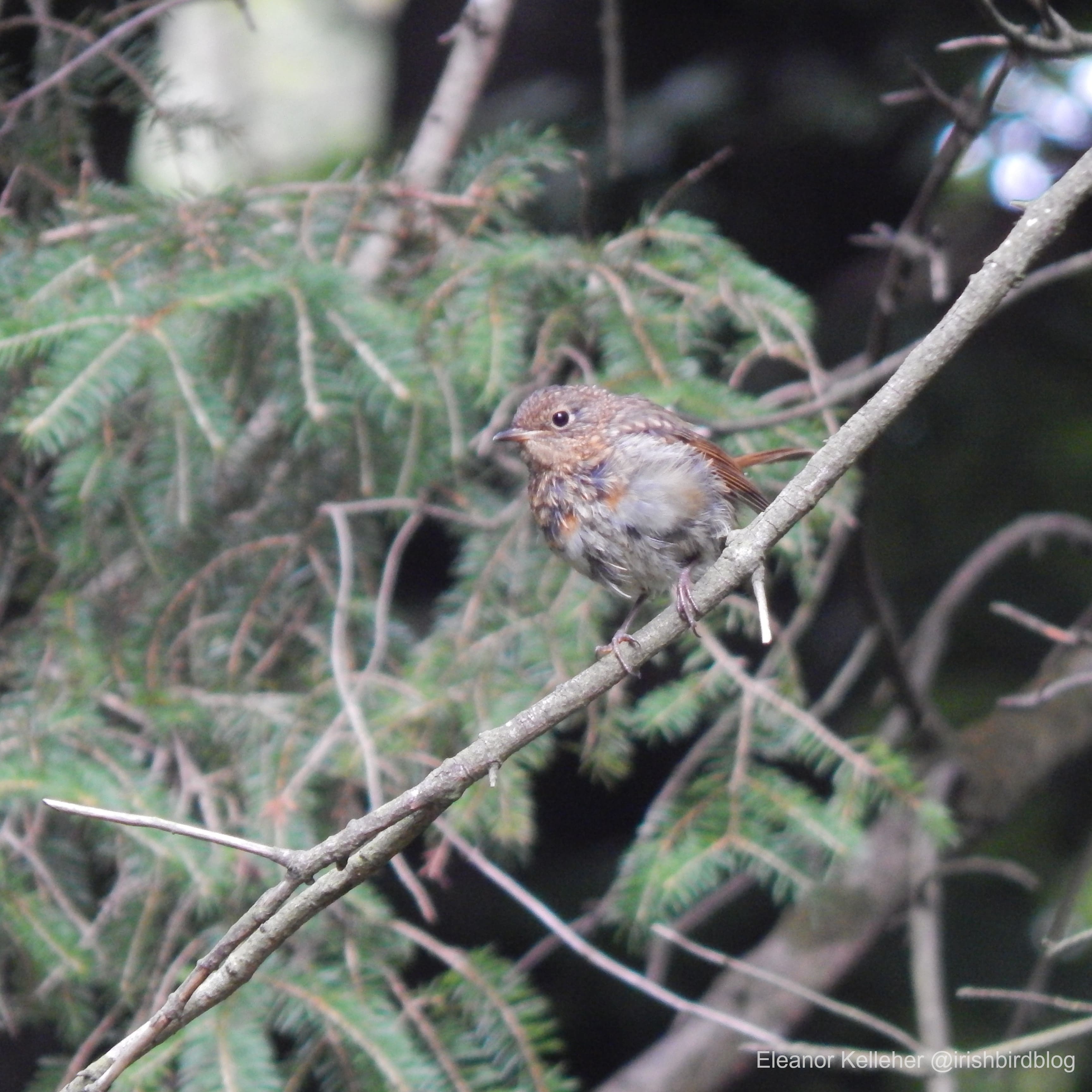
Robins are small but brave animals, both when it comes to other birds and to humans. They are fiercely territorial; both the males and females of this species are known to be quite aggressive towards other songbirds that get too close. When they aren’t picking fights, robins appear to have a mischievous, almost curious nature, perhaps not fearing humans as much as they should. Because of this charming quality, they are known for providing company while we do our gardening, and can even be trained to eat from the palm of our hand. We’ve heard stories of robins nesting in the corners of garden sheds, or old forgotten boots, and returning year after year.
Interestingly, they are colloquially known as “robin redbreasts” though upon close inspection, you can see that they sport not red but orange breast feathers. The word for the colour orange was a late addition to the English language, used to describe the fruit which was introduced in the 16th century, which was a century after the charming nickname stuck. The robin has influenced how we view other birds too, resulting in the North American turdus migratorius earning the name American robin, despite not being closely related (in fact, it is a closer relative of our blackbirds or thrushes!).
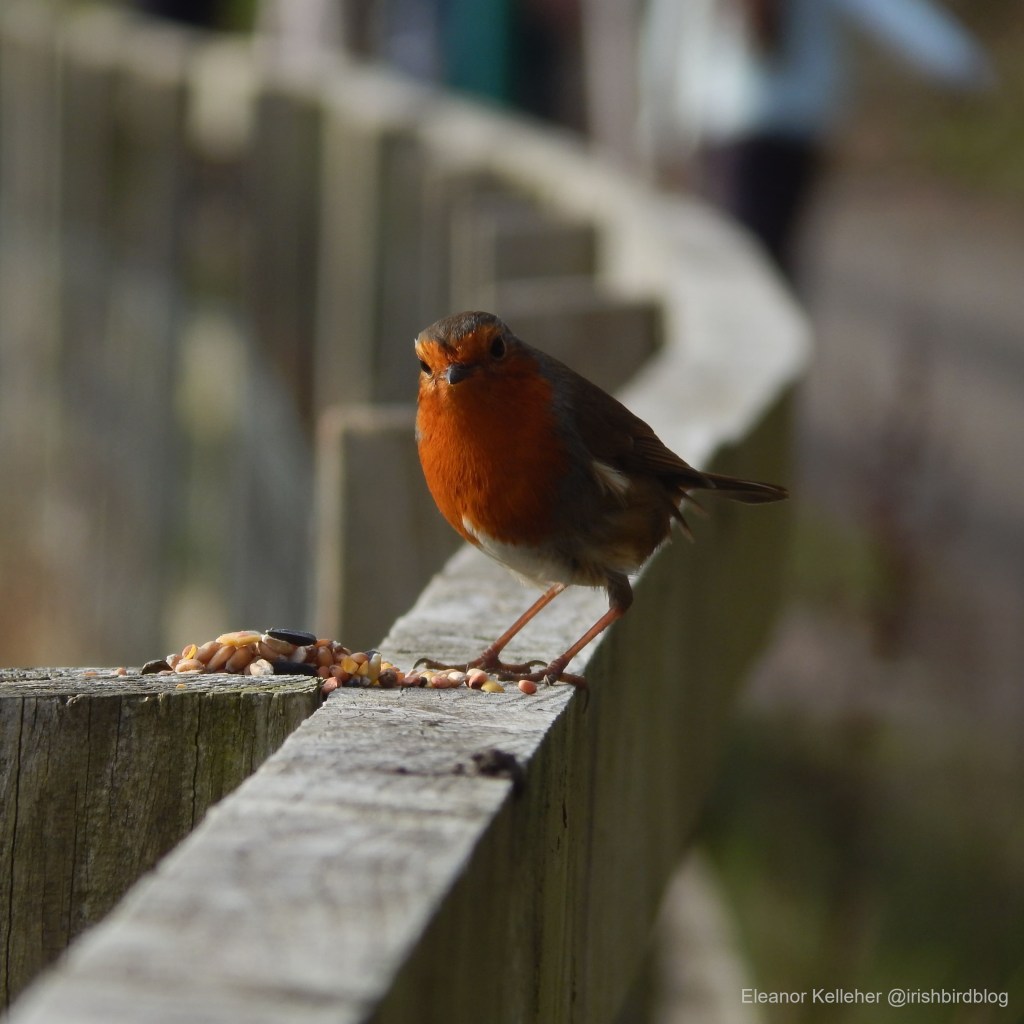

Robins are a common sight for us when we go out looking for birds, or even just out on walks, but we once found one particular robin that was an unforgettable character.
It was early evening in late January; chilly, but the sun was shining through the trees. We had stopped to take some pictures, and heard the sweet song of a robin somewhere above us. After scanning the branches for a few minutes, we spotted our maestro: A plump, round little bird, the picture of a Christmas-card robin.
We happened to have some bird seed on us, and wondered if we could entice him down for a snack. The area we were standing in had a lot of foot traffic from passersby’s (who were giving us odd looks as we stood cooing over this little bird), but we figured that even if the robin didn’t come down, the seed would get eaten eventually, so there was no harm in it. We placed a generous handful on a fence next to us and retreated a safe distance away. Not only did our original robin flutter down, but so did a second robin (you can see its blurred body in the background of the second image above!). We readied our camera, and the robin posed for us, resulting in the two images you see above.
If you want to begin delving more into the natural wildlife around you, robins are a very good place to start. They may be associated with winter, but can easily be found all-year round. You almost don’t even have to look for them, the curious little birds will come to you (though it helps to keep a little birdseed on hand). Their bright colouration means they photograph well, and they seem to adore the attention they get, so they’ll pose for you for minutes on end. Reward them with some sunflower hearts or peanuts and you’ll be sure to have some feathered friends before long.
 The Irish Bird Blog
[…] tunes. What a time to be welcoming the summer solstice. Traditionally this holiday has ties to the robin, but in light of an ghrian ag scoilteadh na gcloch, we’ve decided to talk about a bird […]
LikeLike