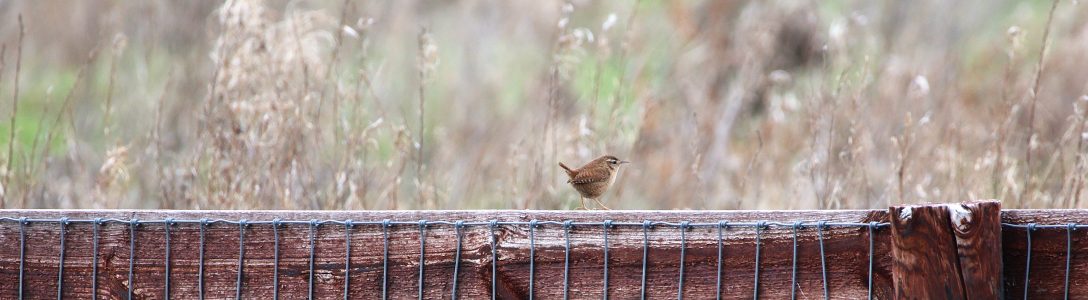
There will actually be two birds discussed in this post: the pied wagtail (Motacilla alba yarrellii) and the grey wagtail (Motacilla cinerea).
The pied wagtail, glasóg shráide in Irish, is a common sight around urban areas. I remember walking through my college campus each morning and being accompanied by these sprightly little birds dashing across the paths with their tails bobbing up and down. When I first learned their name, I was so delighted. I would point them out to anyone who was with me, and most often their eyes would light up just the same as mine had when they learned what they were called. I have not met another bird whose name is so evocative and fitting.

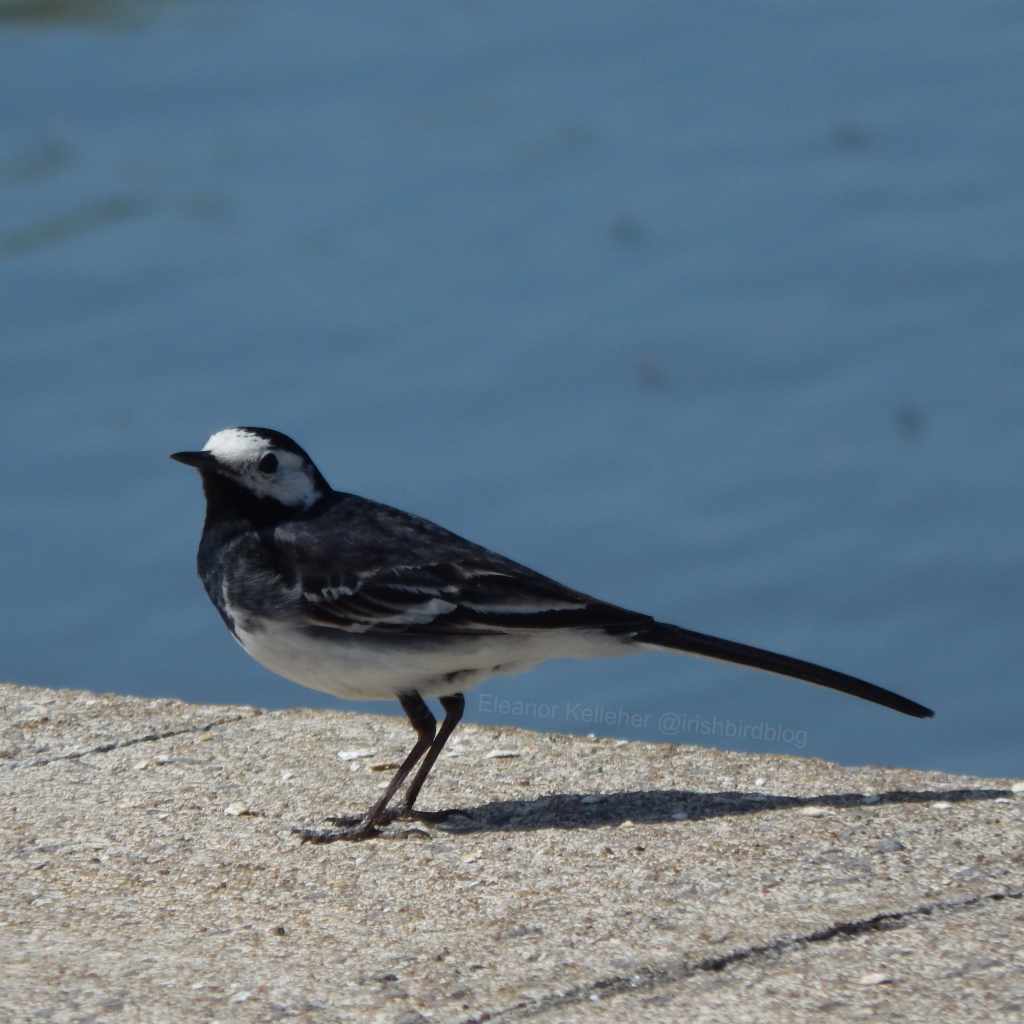
Pied wagtails are a subspecies of white wagtails, which are only found in Ireland and the UK. Sometimes called the “Willy wagtail” (although not to be confused with the “Willie wagtail” which is a fantail native to Australia), you’ve most likely seen them in built up areas, picking about on the concrete or tarmac. They’re quite well adjusted to living the city life, even going so far as to eat rubbish from our bins in winter, when there are no insects about. They will flock together for warmth when its cold, they can even form huge overnight roosts of up to three thousand birds!
A lot of birds in Ireland have some sort of associated legend to them, but this is not the case with the pied wagtail. I can tell you that they may be the reason for some interesting Latin etymology – their Latin genus name motacilla originally meant “little mover” but some medieval writers thought it meant “wag-tail”, giving rise to a new Latin word cilla for tail. The “pied” in their name comes from their black and white plumage, which is the same reason why “pie” is in the Magpie’s name.
The grey wagtail, glasóg liath, prefers a different surrounding to his metropolitan cousin. Grey wagtails like to be near running water – fast flowing rivers and streams. My first encounter with a Grey wagtail was at Balrothery Weir, in the Dodder Valley Park. It was in early springtime, when the previous season’s rain had filled the river up almost to bursting point. The water thundering down from the weir was so loud, I had to shout to be heard above the noise. Then suddenly, I saw a flash of yellow on the stones, and a long wagging tail.

You might wonder, as I did, why a bird with sunshine coloured plumage is called the grey wagtail. A yellow wagtail already exists, it can be found in parts of the UK and on mainland Europe, and it is quite a bit more…yellow. Still, for someone whose experience with birds has been in the hues of brown and black, the grey wagtail was a shocking burst of colour to see. We stayed and watched it fly low over the river, darting into clouds of midges and occasionally dipping into the water.
The grey wagtail has the longest tails of all the wagtails and, as is customary for the family, bobs said tail when standing or walking. Both pied and grey wagtails have an interesting flight pattern that has been described as undulating – flying high before letting themselves drop, then beating their wings to get back into the air, and repeat.
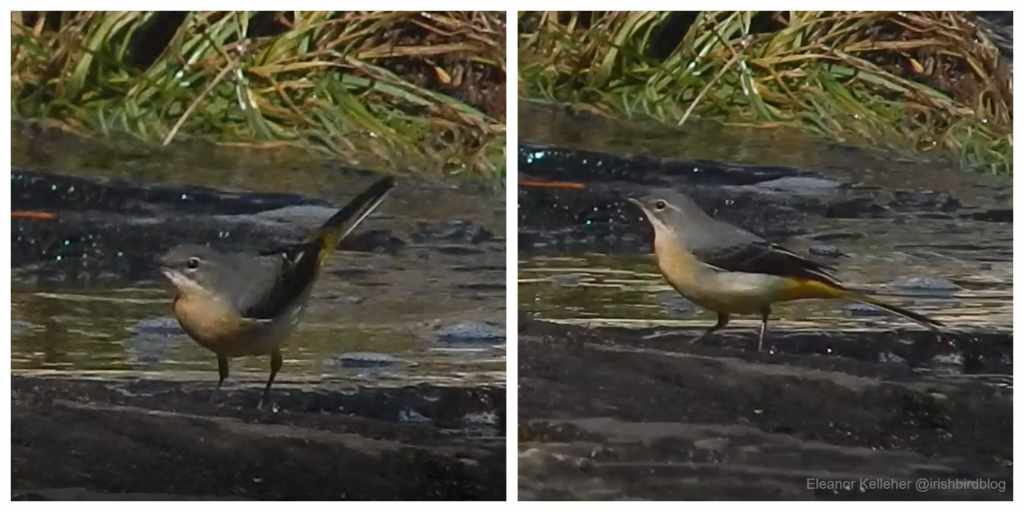
While the pied wagtail has been doing relatively fine, unfortunately in the last year the grey wagtail has been downgraded to red conservation status in Ireland, due to the fact that their breeding numbers and range have declined by 50% in the short term. The reason for this is our extended cold winters. When we have frosty or snowy winters the grey wagtails, who rely on insects for food, have nothing to eat. So, if you live near the water or happen to have a small pond or stream in your garden, consider leaving out some food for the wagtail over winter. Whether you’re walking through a car park or going on a riverside stroll, keep your eyes close to the ground and you may just see one of these little movers!
 The Irish Bird Blog
[…] bicolour feathers have earned them the nickname “pied oystercatcher” (as in magpie and pied wagtail); a name that’s come full circle, since this bird was originally known as “Sea […]
LikeLike
[…] Meadow pipits slot nicely into the category of Little Brown Jobs (LBJs). Defunct folk names for them include Chit Lark, Peet Lark, and Tit Lark, a clear attempt to brand them after their similarities to larks. It doesn’t help that they exhibit that same strange summertime behaviour of flying high up into the air and twittering and peeping as they descend. But meadow pipits aren’t larks, they’re actually in the same family as wagtails! […]
LikeLike