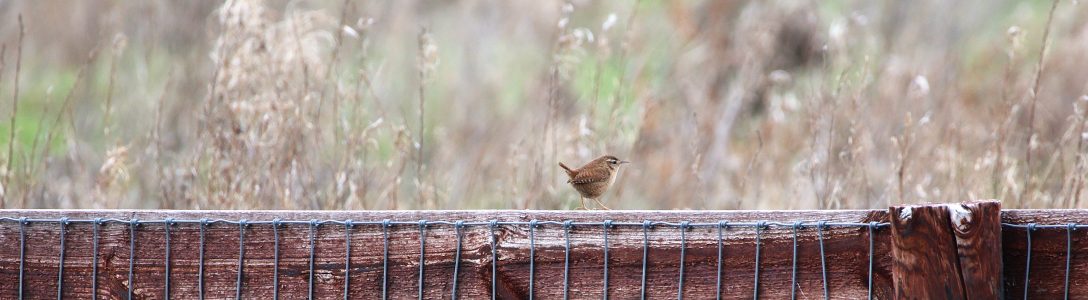
It can be difficult to convince yourself to get out of the house on a cold, windy day, especially now in winter when the temperature keeps dropping. But if you manage to muster up the courage to head outside, consider heading out to the coast. Winter is a fantastic time to see lots of interesting birds, including the one we’re focusing on this month! I present to you the ruddy turnstone (Arenaria interpres), known as Piardálaí trá in Irish.
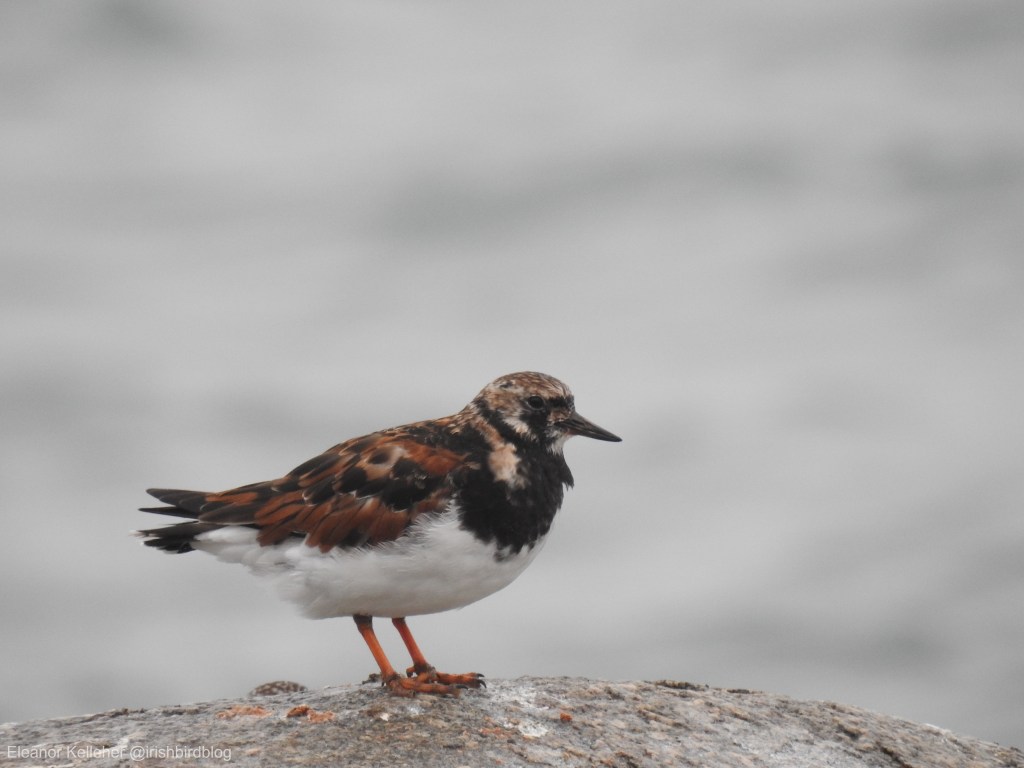
Turnstone. The simple name really captures the true essence of this bird. I’ve always been enamoured by birds with such straightforward names: wagtail; flycatcher; woodpecker. There’s something so endearing about a name so obvious, that a child in primary school could have come up with it.
Ruddy turnstones do indeed turn stones – along with seaweed and any other items where their prey hides. They prefer stony beaches to sandy ones, for obvious reasons, and have been recorded tipping stones that weigh almost as much as they do!
They share the beaches with other wading birds, but unlike other waders, ruddy turnstones have been known to scavenge for all sorts of morsels. The list of their recorded food items varies from coconut to human corpses (be careful next time you’re near some railings by the sea!)
They also engage in a variety of behaviours to locate and capture prey. These behaviours can be placed into six general categories: Routing; Turning stones; Digging; Probing; Hammer–probing; and Surface pecking. We won’t go into the details about all of these methods here, but suffice to say, it is very entertaining to watch these little birds out on the beach.

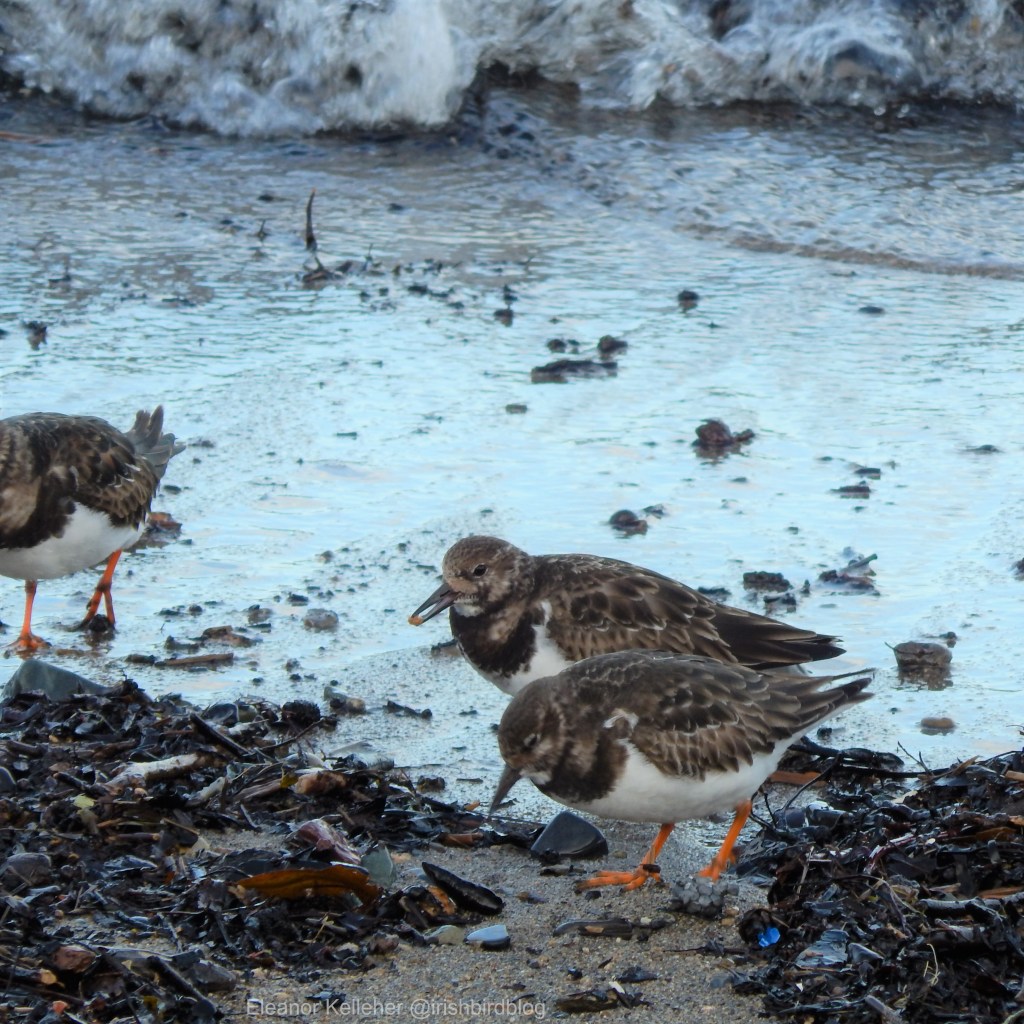
We’ve seen turnstones on a number of occasions, and it is always heartwarming to watch them at work. They’re a member of the sandpiper family, and just like all sandpipers, ruddy turnstones like to dance just out of reach of the waves as they ebb and flow on the beach, picking and pecking at any prey that washes up.
One of the most notable times we saw turnstones was at the swan sanctuary in Bray. Depending on when you visit there can be up to 40 swans there fighting for attention (and food), but on our visit, it was the little turnstones darting around the swans’ feet that really captured our hearts. We tossed handfuls of bird seed to them, trying to lure them out from under the swans that would inevitably get to the food first. There was one little turnstone that seemed to be missing a leg who I desperately wanted to help, but I lost it in the crowd of birds and couldn’t find it again. I still think of that bird sometimes. It seemed to be keeping up with the others, so I’d like to think it was fine and it’s still out there nimbly avoiding the swan legs.
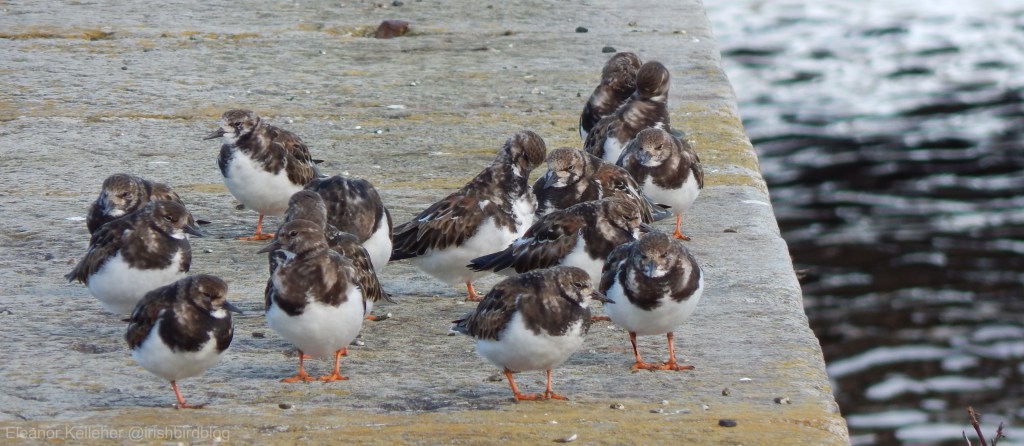
It’s very rare to see a solitary turnstone. More often you’ll see them flocking together in groups of ten, or more! I like to think of them as “coastal starlings” in terms of their size, sociability, and feeding methods. They form a united front and move in an impenetrable wave across an area of sand or stones, just like starlings do in your back garden.
Ruddy turnstones spend their summers in the high Arctic far up north. We’re talking areas of the northern coast of Canada, Greenland, and Russia. Then they fly all the way down to the Southern Hemisphere for winter – namely South America, Southern Africa, and Australia. The turnstones that visit us in winter usually come from Greenland and Canada, though over the years we’ve also seen them appearing during the summer.
Ruddy turnstones are one of the longest lived wader species, with annual adult mortality rates of under fifteen-percent. Their average lifespan is nine years, with nineteen years and two months being the longest recorded. So maybe if you get out and catch a glimpse of one today, you could make it a winter tradition for years to come!
 The Irish Bird Blog
[…] beak-and-boots combo. Some birds may have a red beak (oystercatchers) and some may have red legs (turnstones), but only the redshank has both. They also have a sneaky surprise on their tail, a lovely bar […]
LikeLike