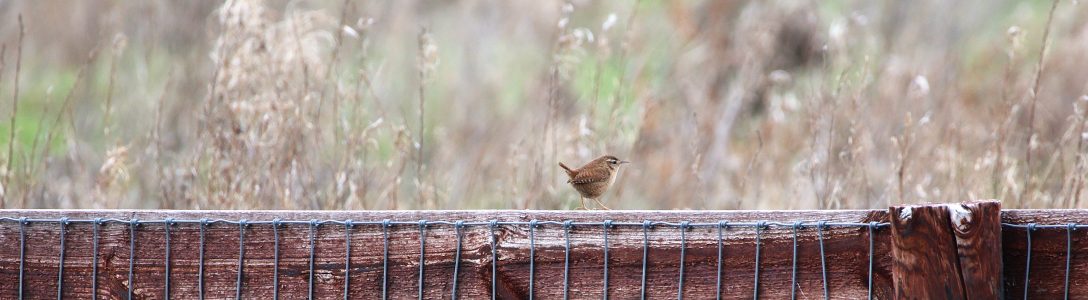
Here’s a fun fact for you: my birthday is in July, and for my birth month, I wanted to talk about a bird that’s as iconic as I am. We’re lucky to be blessed by high-flying, long-haul bird travellers from far away places, and this month’s bird is no exception. But they’re also a familiar and beloved Irish summer visitor whose very presence is meant to herald sunshine and warm days. Maybe if I’m lucky, they’ll bless me with a scorcher on my birthday. This month’s bird is the Swallow (Hirundo rustica), known in Irish as Fáinleog.


We all know and love them, there’s no mistaking that recognisable forked tail. These birds are so present in the zeitgeist that I knew about their silhouette years before I’d ever actually seen one. I drew dozens of pictures of them in lined notebooks, copying from internet image searches, and there was no way I could capture their gorgeous colours with my off-brand colouring pencils.
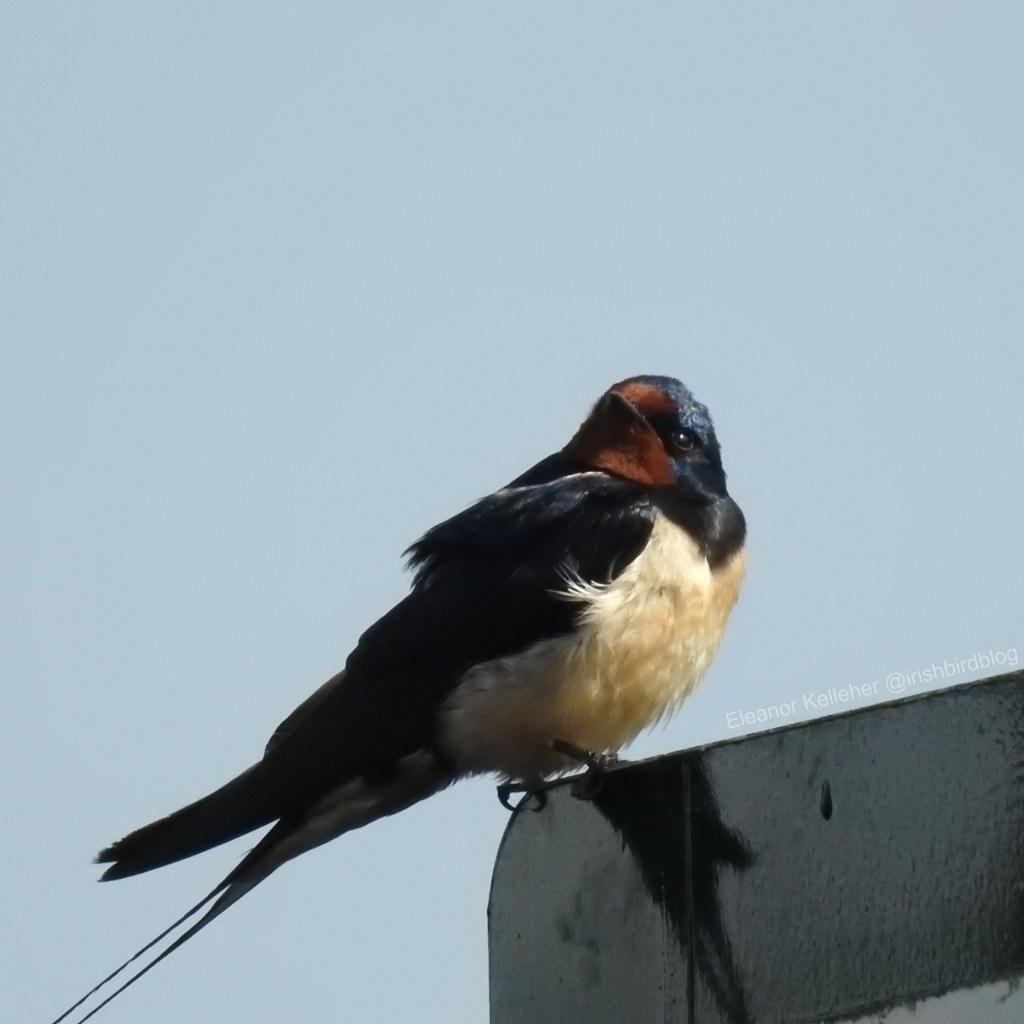
I think it’s fitting that a bird who signals the start of hot weather should have a bright red sunburn for a face. Their wing feathers may look bluey-black, but they have a slick, almost oil-like sheen to them that dazzles you when you see them fly by (could these greased wings be the cause of their insanely quick aerial manoeuvrers?). And of course, we must talk about the tail: two needle sharp points that stream out behind them as they fly. The longer the tails, the healthier the bird, so we want those feathers fierce and flowing.
So we know them for their iconic look, but swallows are also popular because they’re international jet-setters – the true Mr. Worldwide of the bird world. They have the largest natural range of any bird; breeding in the northern hemisphere in the summer and vacationing to the southern hemisphere in the winter. In fact, they’re so widespread that they actually have two names: in anglophone Europe we just call them swallows but to everyone else they’re barn swallows.
We typically get swallows showing up from mid-March onwards and staying until late-September, although in recent years a small population has begun overwintering on the southern coast of Ireland rather than flying to South Africa like they usually do. Their flight over is brutal – they fly 300 kilometres a day and only eat flies and midges that they catch while flying. The thought makes me tired, and I can’t even fly. The 10,000 km journey is worth it, to return to previous Irish nesting sites. Or at least, I hope it is.


If you want to know when they’ll be arriving in the future, here’s a handy website that lets you track their journey! We are not sponsored or affiliated but like, we could be…if you wanted to reach out.
Once the swallows show up, they bring hope with them. They’re harbingers of turning weather, of warmer temperatures and brighter days. This is reflected in their Irish name, which can trace its roots back to the Proto-Celtic word for spring with the diminutive og suffix tacked on at the end to give us Little Spring (bringer). Their Latin name, rustica, harkens to living rurally – fitting for a bird so synonymous with the Irish countryside. Swallows actually form part of a country bird band with two other migratory birds that show up around the same time of year: the corncrake and the cuckoo. Their iconic voices once travelled on the summer wind, but alas, the corncrake and the cuckoo are both vanishing, leaving the swallow behind as the last sign of summer.
It’s not just that they make funny noises (though they do, they chirp like dolphins!), they also love munching on insects that we find really irritating on hot days. Got a mosquito problem? Hire a swallow.
Swallows don’t all just show up at once though, they’re not tourists flocking to Spain after all. They have their journey down to a science. Male birds will show up first to scope out the scene. Assuming they don’t already have a nest site that they’re reusing, the boys will find a comfy spot and circle around it, singing his heart out to attract a mate. Once a lady is sufficiently impressed, they’ll get together and stay together for life. Interestingly, though, they do sometimes breed outside of their established pairing, making them genetically polygamous while socially monogamous. Can’t say I’d be too chuffed if my partner showed up one day with a random baby, but the swallows don’t seem to mind.

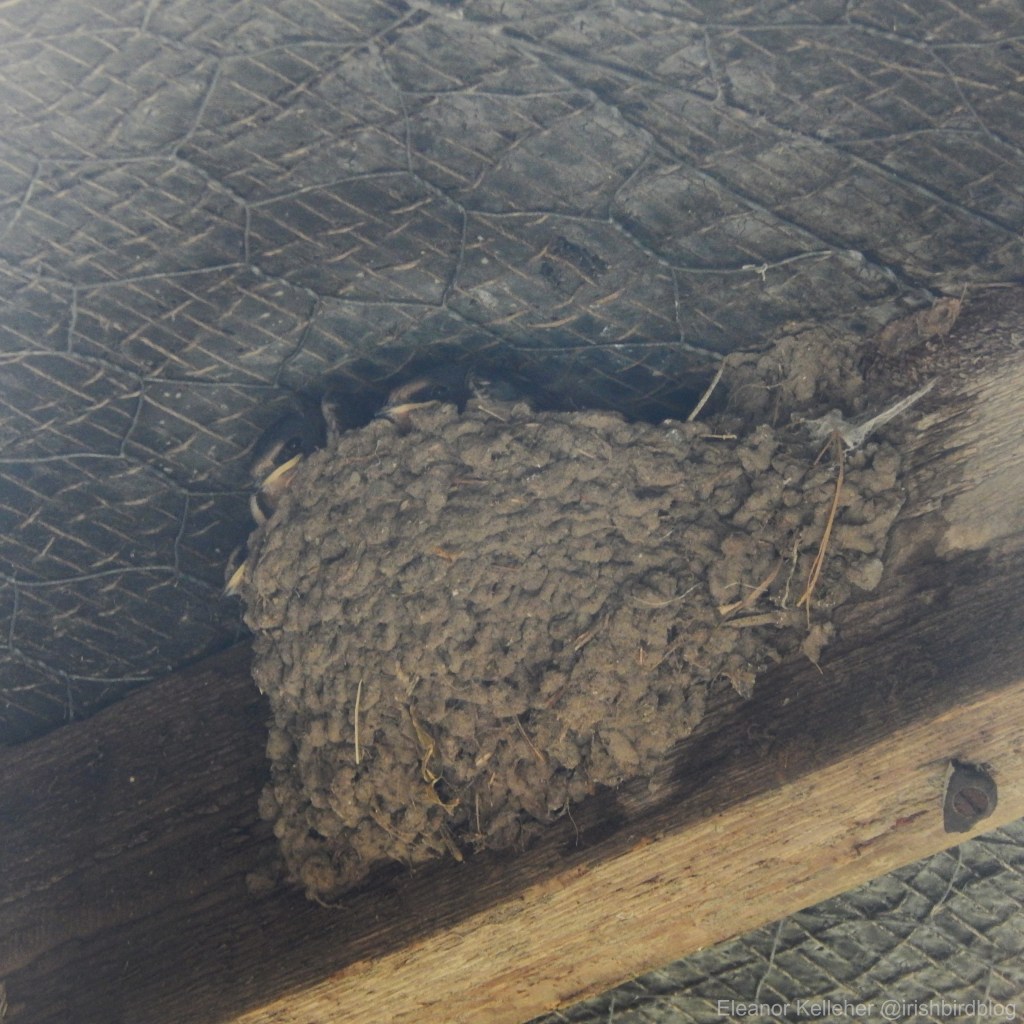
Their accommodation is easily sorted: it’s mud. They will fly to the shores of any bodies of water nearby and grab a mouthful of mud and grass. Then they fly back and plop their muddy mouthful wherever they think it’ll fit. They do this hundreds of times until they have a structure that vaguely resembles a wasp’s nest. In their empire of dirt, they’ll raise two broods a year. The female swallow will spend her time incubating the eggs while the male will go out to find food and defend them from any predators.
Their propensity for mud may have lead to the widespread and persistent myth that these birds didn’t migrate, but hibernate. Since they couldn’t be seen in the northern hemisphere during winter, people just assumed they’d crawled into their favourite muddy reed beds to sleep off the cold. Aristotle himself wrote that these birds hibernated instead of migrated, and this was assumed to be true until the Victorian times – over two thousand years!
Once people did learn that swallows migrated, they began coming up with some newer legends. A well-known Aesop’s Fable, The Young Man and the Swallow, features, you guessed it, a swallow. In the story, the man sees a solo swallow and celebrates, because it surely means good weather is on the way. He immediately sells his warm coat and ends up dying when a cold snap hits, along with the swallow, who freezes to death. The proverb of this story is One swallow doesn’t make a summer; just because one good thing has happened doesn’t necessarily mean things will improve overall.
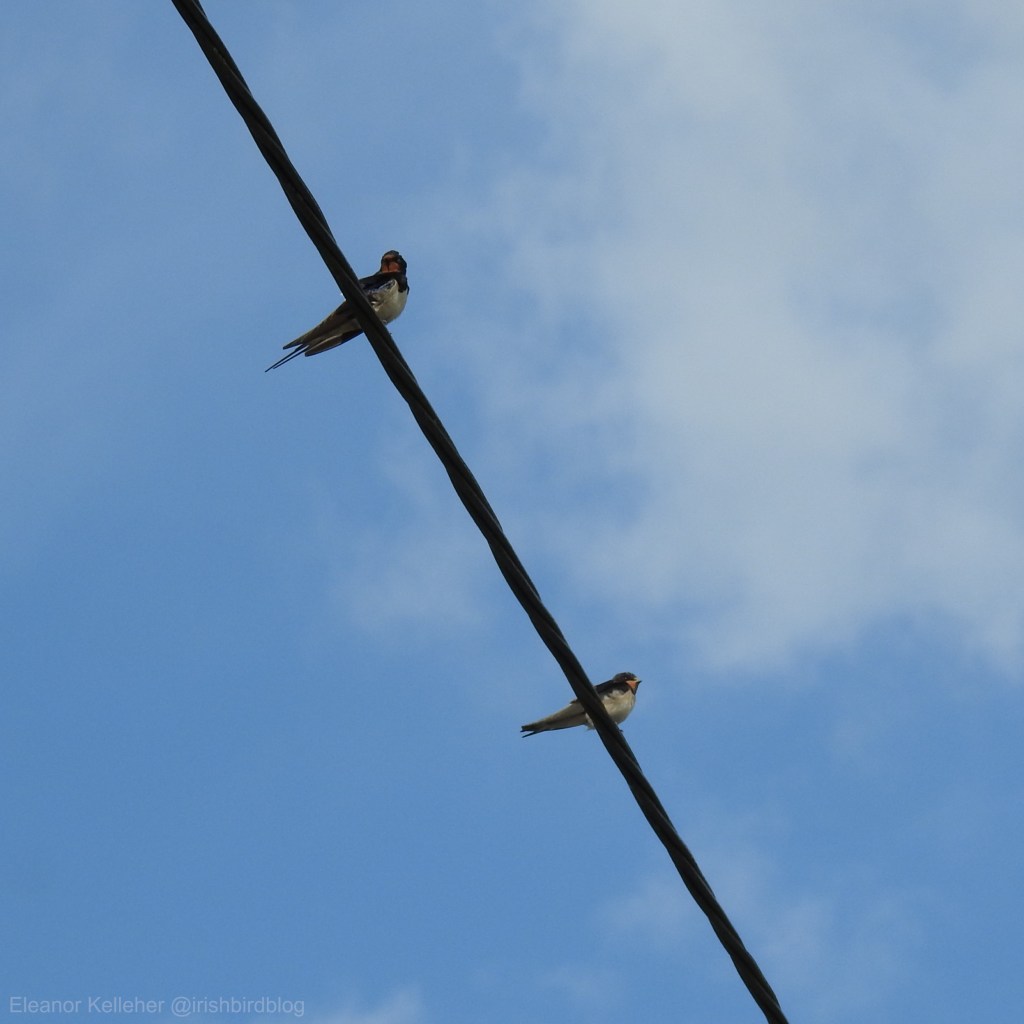

The proverb is a bit of a downer, but it’s unfortunately very fitting when applied to the state of Ireland’s birds. Some populations are certainly bouncing back and reintroductions are looking successful, but the vast majority of birds aren’t in that camp, including the swallow. Much like the two prongs of their tails, there are two acute reasons for the decline of swallow numbers: climate change and farming.
Research has shown swallows gradually returning to their nesting sites in poorer condition and laying fewer eggs as a result. It’s theorised that the expansion of the Sahara desert as a result of climate change could be the culprit, since crossing that vast arid expanse is incredibly difficult. On top of that, changing climates in general can have adverse knock on effects. Colder springtimes with longer frosts delay insects emerging from hibernation, and scorching hot summer temperatures dry up ponds, causing insects to vanish entirely. On top of that, nestlings cannot handle the high temperatures and suffer from heat exhaustion or dehydration.
Here at home, our dairy industry is to blame for a lack of nesting sites for swallows. These birds are known as barn swallows because the rafters of farm buildings are the perfect place for them to nest. Unfortunately, rafters are banned in modern milking sheds specifically to deter swallows and any birds that would nest in them. In addition, pesticide use kills off insects that would serve as a food source for them. I’ve said it before and I’ll say it again, pesticides harm our pollinators and friendly insects, the most effective “pesticide” you can have is birds.


Niall Hatch of BirdWatch Ireland spoke about swallows in an interview: While the estimated swallow population is half a million, he said the population is on a “knife-edge” and, on average, a pair that nests successfully raise 100 chicks but 98 will die. Swallows were once skyborne signs that heralded the start of a new, brighter season. I don’t want to believe that they’ll go the way of the corncrake and the cuckoo, but their numbers are continuing to decline. If you’d like to help, consider putting up a nestbox to encourage them to breed near your home. And while the season is still warm, see if you can’t just spot those forked tails flying above you in the sky.
 The Irish Bird Blog
[…] And if you like to read about birds, here’s another blog that you might enjoy: https://theirishbirdblog.com/2024/07/01/swallow-summers-skyborne-sign/ […]
LikeLike