The summer months have a habit of wiping my memory of the biting gales, which are out in full force these dark winter evenings. Maybe it’s karma for my not having hayfever when pollen is drifting about on the wind; my eyes stream because my hair whips into them at Mach 1 speed. Yet I happily take the abuse, because there is one island worth enduring it for. Connected to Dublin by two ribbons of land is a place where the breeze carries the wild scent of the sea and the air is rich with the calls of seabirds. Today we’ll be talking to you about one of our favourite birdwatching spots, North Bull Island, known as An Bulla Thuaidh as Gaeilge.

The winter morning sky is heavy with slabs of bruised clouds. It’s past eight but the sun has yet to make an appearance, so you rely on a thermos of tea to keep you warm. Around you is the exposed marsh with its glass puddles glimmering in the scant light. Birds with long legs pick their way between the grasses, while the stubbier ones plod through the mud. An alarm sends some bolting up into the air and careening from one side of the wetland to the other; safe, for now. Their calls — baritone quacks, melodic chirps, and piping whistles — are carried down to you on the wind. (You’re very glad you stuffed your hair into a beanie because it is razor sharp today.) Standing on the road that bisects the mire, you’re passed by ambitious runners and dog-walkers bundled up against the elements. As dawn begins to break, you sip your tea, and watch the golden light pour over the marsh.
Dublin bay has always had issues with silt. These troubles stretch as far back as Viking times when the city was settled. It was only in the 1700s, when we were on the cusp of an industrial revolution, that something was done about it. Two large sandbanks named the North Bull and South Bull pinched either side of the mouth of the river Liffey, and would only reveal themselves at low tide. Ships waited till high tide to come into port, as anyone too impatient risked joining more than 300 shipwrecks already gored by the Bulls. After many difficult attempts of manually dredging the riverbed, walls were built on either side of the Liffey’s mouth — the Great South Wall, built between 1715 and 1730, and when that didn’t do enough to stop the problem, the North Bull Wall between 1820 and 1825. The walls were built to be closer at their far end, which narrowed the channel and forced water to move faster, pushing the silt out and naturally “dredging” the river over time. In the 48 years after the North Bull Wall’s construction, the mouths of the Liffey and Tolka rivers deepened from 1.8m to 4.8m. The tide would carry silt out and back in again, depositing it on either side of the channel to form Sandymount Strand to the south and North Bull Island to the north.


There is something of this history present in the birds that frequent North Bull themselves. The haunting trill of the curlew, flying wild and unseen across the kilometres of marshland. The marauding greater black-backed gulls whose dark feathers mean death, menacing other birds for food. The starlings who bundle up together near the golf courses, hoping to scavenge food from humans. And the hundreds of visiting birds coming and going in the shadow of Dublin port. This spot has been one of our go-tos for years, especially for migrants. I’ve seen quite a few lifers (birdwatching talk for a bird you’ve first seen and identified in the wild) in this place, like the teal and the reed bunting. If you want to try your hand at nature photography you’re gonna need a decent zoom lens to capture the birds standing off in the distant marsh, but North Bull is sure to provide you with plenty of subjects to shoot.
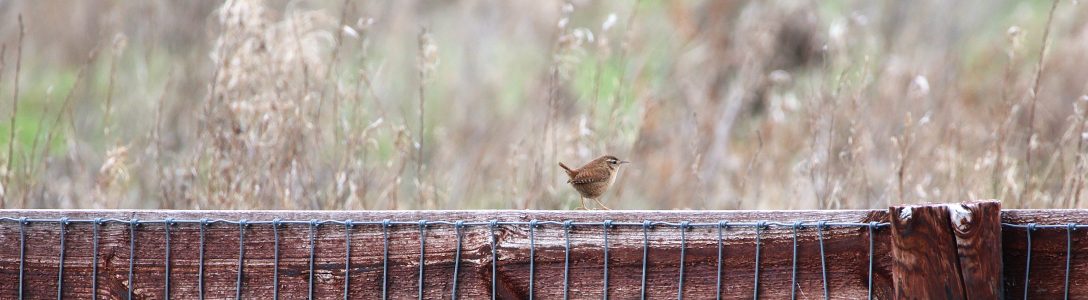
Bull Island has the most conservation designations of any site in the entire country. Part of what makes it such a special place is its variation of biomes and ecosystems. Sand dunes covered in spiky grasses conceal skylarks, meadow pipits, and various warblers in the summer. The few trees provide enough cover for songbirds like linnets, wrens, or stonechats. Between the island and the mainland, the extensive salt water marshes and mudflats are routinely re-flooded and refreshed with nutrients by the tides, serving as a delicious dining experience for tons of different species such as the migrating winter birds like brent geese; ducks like the shelduck; and waders like the redshank and the oystercatcher. On eBird (the global online database of bird observations managed by the Cornell Lab of Ornithology) 169 species have been reported on Bull Island. Rare birds have a strange habit of showing up here, and we “twitched” (birdwatching talk for dropping everything to go look for a bird that’s been reported in an area) for the first time by heading to the island in search of a Eurasian hoopoe back in the summer of 2025 (we did not find it). At the time of writing, a glossy ibis has been reported in the area, and it’s taking a lot of willpower to stay here and finish writing. The island, currently measuring five kilometres long, continues to grow and may possibly merge with mainland Sutton within the next half a century, forming a lagoon. I wonder how the birds will feel about that change, and if we’ll continue to see so many of them across the island. Time will tell, and I know we’ll still be trekking out there to see.


Across the water, the iconic Poolbeg Chimneys dominate the skyline, and I will never stop being a fan of them. But if you follow the shape of the land to where it meets the sea, you’ll the lighthouse at the end of the North Bull Wall. It was designed by Bindon Blood Stoney, a renowned Irish engineer who we learned about by randomly stumbling into the Diving Bell at Sir John Rogerson’s Quay along the Liffey. He also designed the O’Connell and Grattan bridges in Dublin! Some other fun facts about the island include that was commandeered by the British Army to simulate trench warfare during WW1, though there doesn’t seem to be any traces of that time left. And the population of the island is officially 14 people, who live in some old cottages on the south of the island that were originally built by the Dublin Port Company for its employees. I’ve always wondered about living out there, so close to the untamed sea. Would you get tired of the view? I can’t say I would.

Obviously we could talk facts about Bull Island forever, but I didn’t really know any of this when I fell in love with the place. There is something so meditative of breathing in the fresh sea air and hearing nothing but the clear cries of birds. This blog was once meant to be a site where I wrote every day, and each story was going to be about crows (because I really like them). We saw a hooded crow perched on a sign once and they inspired an idea; when we went to North Bull on a small trip before writing this article, I saw another crow perched in the same spot and it made me smile. Also, though we’ve rarely ventured out into the sand, there was one day that we were out walking on the beach itself and approached some grey seals (from a distance, we didn’t want to bother them) who were sunning themselves on the Northern tip. While we were cooing and taking photos, we hadn’t realised the tide was actively coming in and had formed a channel of water we had to run and jump across to avoid being stranded! I still recall that terror when I need to write something frightening, the heart-pounding moment of just seeing the water streaming in, being safe one moment and so scared the next. Honestly I could share stories about Bull Island forever, so I’ll cap it with the fact that I always shake my fist at the golf courses on the island (there are two and the correct amount for there to be is zero).


As we head into November and the final stretch of December, I know I’ll be making my way to North Bull to reflect on the year gone past. If you’d like somewhere to meditate on all that’s happened, you might think of taking a trip yourself. Just make sure you bring a hat, the same wind that will carry your thoughts away will also whip up some tears into your eyes.
